
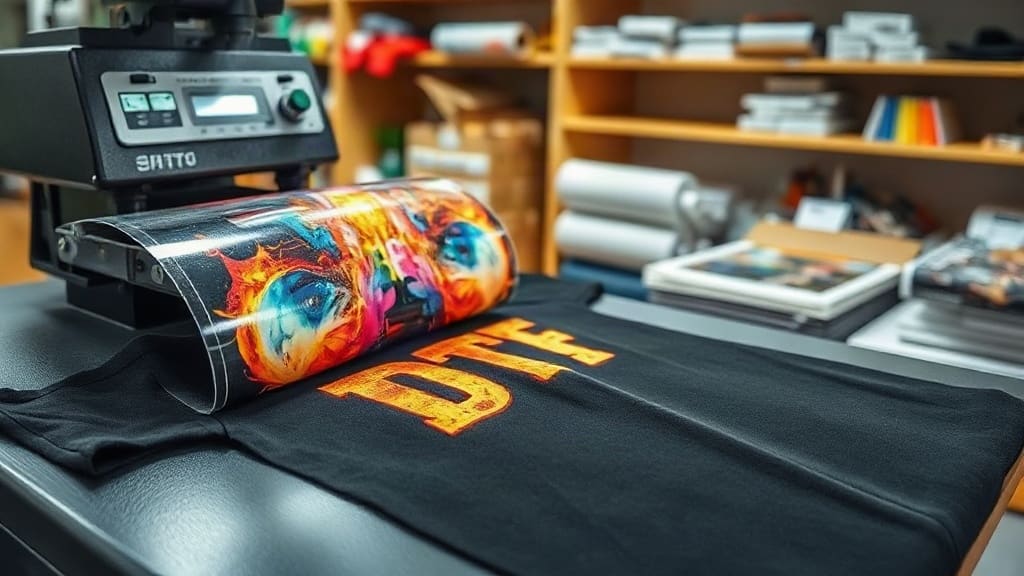
If you've been searching for dtf transfers near me, you know that finding a reliable supplier can make or break your printing projects. Whether you're a small business owner, a hobbyist, or a professional decorator, the quality of your DTF transfers directly impacts your final product. I've spent years in the custom apparel industry, testing different suppliers and perfecting my workflow. In this guide, I'll share practical advice to help you locate a trustworthy local or online provider, evaluate their products, and ensure your transfers look stunning and last.
Why Choosing the Right DTF Transfer Supplier Matters
DTF (Direct to Film) printing has revolutionized custom apparel because it offers vibrant colors, soft hand feel, and excellent durability on various fabrics. But the quality of the final print depends heavily on the transfer itself. A poor-quality DTF transfer can crack, fade, or peel after just a few washes, leaving your customers disappointed and your reputation damaged. I've seen businesses thrive or fail based on their choice of supplier. That's why it's crucial to invest time in finding a provider that meets your standards.
What to Look for in a DTF Transfer Service
When you start your search, you'll likely find many options. But not all are created equal. Here are the key factors I always consider when evaluating a potential supplier. These criteria have helped me avoid costly mistakes and build a reliable network of vendors.
1. Print Quality and Resolution
The most obvious factor is the print quality. Look for transfers that feature sharp details, smooth gradients, and vibrant colors. A reputable supplier will use high-resolution printers (often 1440 dpi or higher) and quality inks. I always ask for samples before placing a bulk order. If a company hesitates to send samples, that's a red flag. When you receive samples, examine the white ink layer; it should be opaque and well-defined, especially on dark fabrics.
2. Film and Adhesive Quality
The film and adhesive used in DTF transfers play a significant role in durability and stretchability. Premium transfers use a strong, flexible adhesive powder that bonds well with the fabric. Check if the film peels off easily and cleanly. A good transfer should have a matte finish, not glossy. I've found that transfers with a matte finish tend to have a softer hand feel, which is crucial for customer comfort.
3. Color Accuracy and Consistency
Color consistency is vital, especially if you're printing multiple items for a client. Ask about their color management process. Do they use ICC profiles? Can they match specific Pantone colors? A reliable supplier will ensure that the colors you see on your screen are accurately reproduced on the film. I recommend ordering a color chart or test sheet first to verify their color capabilities.
4. Turnaround Time and Reliability
Time is money in the printing business. If a supplier promises a turnaround time, they should stick to it. Check reviews or ask for references to gauge their reliability. In my experience, local suppliers often offer faster turnaround times, but online providers can also be efficient with express shipping. Just make sure to factor in shipping time when planning your projects.
5. Minimum Order Quantities and Pricing
Many DTF transfer services have minimum order requirements, which can be a hurdle for small businesses or individual creators. Look for a supplier that offers flexible order options, especially if you're just starting or testing the waters. Pricing is also important, but don't choose the cheapest option blindly. Often, you get what you pay for in terms of quality. I recommend comparing prices per square foot and factoring in any hidden costs like shipping or setup fees.
6. Customer Support and Communication
Good communication is essential, especially when you have specific requirements or encounter issues. Test their customer support before committing. Send a question via their website or call their hotline. A responsive and helpful team can save you a lot of headaches down the line. I once had an issue with a batch of transfers, and my supplier's quick response and resolution made all the difference.
7. Reviews and Reputation
Finally, check online reviews and ask for recommendations from fellow printers. Sites like Google My Business, Yelp, and industry forums can provide valuable insights. Look for patterns in reviews, both positive and negative. A few negative reviews aren't necessarily a deal-breaker, but consistent complaints about quality or service should raise concerns.
How to Test a DTF Transfer Supplier
Once you've shortlisted a few suppliers, it's time to put them to the test. Order samples and run your own tests. Here's a simple procedure I follow:
- Print a test design that includes fine lines, small text, and various colors.
- Apply the transfer to different fabric types, including cotton, polyester, and blends.
- Wash the garments multiple times to check for cracking, fading, or peeling.
- Stretch the fabric to see if the print maintains its integrity.
This process will give you a clear idea of what to expect from each supplier. I've discovered that some suppliers excel in certain areas but fall short in others. For instance, one might have fantastic color but poor stretchability. Knowing these nuances helps you choose the right vendor for specific projects.
Local vs. Online DTF Transfer Suppliers
When you search for dtf transfers near me, you'll likely find both local brick-and-mortar shops and online services. Each has its pros and cons.
- Local suppliers: They offer the advantage of face-to-face communication, faster turnaround, and the ability to inspect products in person. However, they might have higher prices due to overhead costs.
- Online suppliers: They often provide more competitive pricing and a wider range of options, including custom sizes and finishes. The downside is that you can't physically inspect the product before ordering, and shipping times can be longer.
I recommend using a mix of both, depending on your needs. For urgent orders, a local supplier is invaluable. For bulk orders or specialized requirements, an online provider might be more suitable.
The Cost of DTF Transfers: What to Expect
Pricing for DTF transfers varies based on size, quantity, and complexity. On average, you can expect to pay between $1.50 and $5.00 per transfer for standard sizes. Larger or more intricate designs will cost more. I always recommend getting quotes from multiple suppliers to compare. Don't forget to ask about volume discounts, as many companies offer lower prices for bulk orders. Also, consider the cost of additional services like color matching or rush orders.
Common Mistakes to Avoid When Ordering DTF Transfers
Even experienced printers can make errors when ordering transfers. Here are some common pitfalls to avoid:
- Not providing high-resolution files: Always upload designs at least 300 DPI to ensure crisp prints.
- Ignoring the fabric type: DTF transfers work best on cotton and cotton blends, but they also perform well on polyester if the right adhesive is used. Always inform the supplier about your fabric to get suitable recommendations.
- Overlooking the white underbase: For dark garments, a white underbase is essential. Make sure the supplier includes it.
- Forgetting to test: Never skip sample testing, especially when trying a new supplier.
By avoiding these mistakes, you can save time, money, and frustration.
Why DTF Transfers Are a Great Choice for Custom Apparel
DTF transfers have gained popularity because they offer several advantages over traditional methods like screen printing or vinyl. They allow for full-color prints with no minimum order, making them ideal for small batches and one-off items. The process is also faster and easier, as you don't need to create screens or weed vinyl. From my experience, DTF transfers provide excellent washability and stretchability, which is why many athletes and clothing brands prefer them.
How to Apply DTF Transfers Correctly
Even the best transfer won't look good if applied incorrectly. Here's a step-by-step guide to ensure a perfect application:
- Preheat your heat press to the recommended temperature (usually around 320°F to 340°F).
- Place the transfer on the garment with the film side up.
- Press with medium to firm pressure for about 10 to 15 seconds.
- Peel the film while it's still hot (hot peel) or after it cools down (cold peel), depending on the supplier's instructions.
- For best results, press again with a silicone sheet or teflon paper for a few seconds to ensure full adhesion.
Always follow the specific instructions provided by your supplier, as different films may have different requirements.
Frequently Asked Questions
Can DTF transfers be used on any fabric?
DTF transfers work best on cotton, polyester, and cotton-poly blends. They can also be used on other materials like nylon or leather, but the results may vary. It's always a good idea to test on a small area first.
How long do DTF transfers last?
With proper application and care, DTF transfers can last for many washes without fading or cracking. In my experience, they can outlast the garment itself if applied correctly. However, using harsh detergents or high-heat drying can shorten their lifespan.
What is the minimum order quantity for DTF transfers?
Many suppliers offer no minimum order, making DTF transfers perfect for small projects. However, some may require a minimum order of 10 or more. Be sure to check with your chosen supplier.
Can I get a sample before placing a large order?
Absolutely. Reputable suppliers usually offer sample packs for a small fee or even free. I highly recommend ordering samples to test quality before committing to a bulk order.
How should I care for garments with DTF prints?
To ensure longevity, wash garments inside out in cold water and avoid using bleach or fabric softeners. Tumble dry on low heat or hang dry. If ironing is needed, iron on the reverse side or use a protective sheet.
Final Thoughts
Finding the right dtf transfers near me doesn't have to be a daunting task. By focusing on quality, testing samples, and building relationships with reliable suppliers, you can ensure that your custom apparel projects turn out beautifully. Remember, the cheapest option isn't always the best. Invest in quality, and your customers will notice the difference. Happy printing!