
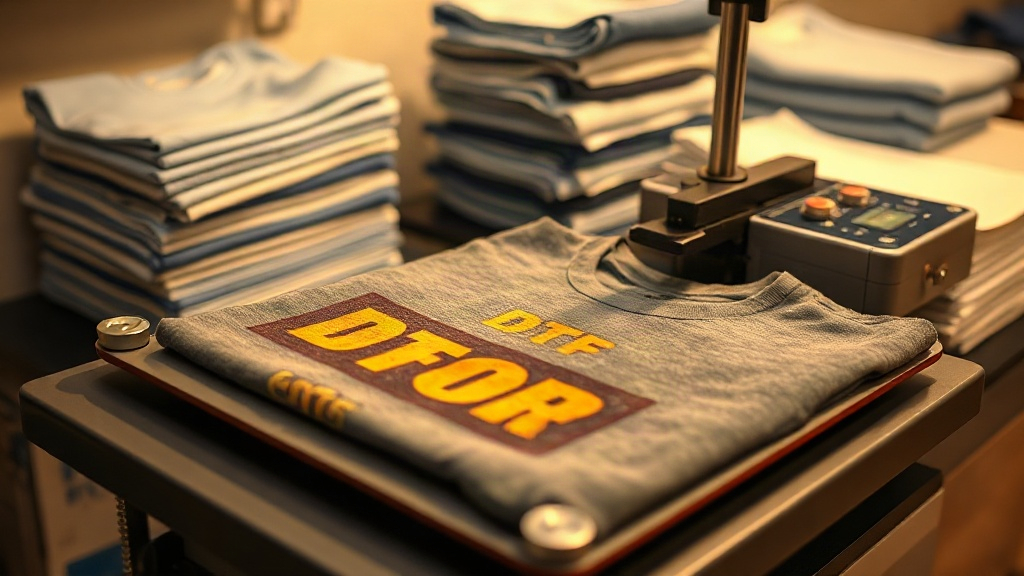
You've dialed in your DTF transfers settings, your prints look sharp, and your press is running smoothly. Then a customer returns a shirt because the design is cracked after two washes. The problem isn't your transfer; it's the blank. The garment you press onto determines how well the print adheres, stretches, and survives real life. In this guide, we'll walk through what makes a blank DTF-friendly, compare two popular options, Shaka Wear and Smart Blanks, and give you practical tips to avoid common pitfalls.
Why the Blank Matters for DTF Transfers
DTF transfers rely on a thermoplastic adhesive that bonds to the fabric when heat and pressure are applied. That bond is only as strong as the surface it meets. A loosely woven, heavily dyed, or chemically finished fabric can prevent the adhesive from anchoring properly. The result? Prints that peel, crack, or fade prematurely. Even the best DTF transfers can't compensate for a poor-quality blank.
Beyond adhesion, the blank affects the hand feel. A thick, stiff fabric might require more pressure to embed the transfer, while a soft, plush tee could let the print sit on top and feel rubbery. The right blank balances durability, comfort, and printability.
Key Factors When Selecting Blanks for DTF
Fiber Content
Cotton and cotton-poly blends are the go-to for DTF. 100% cotton offers excellent adhesion and a natural feel, but it can shrink. Polyester blends, especially 50/50, provide strength and resistance to wrinkling, but the polyester content can affect how the adhesive cures. For best results, look for blanks with at least 50% cotton. Avoid 100% polyester unless you adjust press settings; the plastic in the fabric can repel the adhesive.
Weave and Weight
A tight weave gives the adhesive more surface area to grip. Ringspun cotton, common in premium tees, has a smoother, denser surface than open-end cotton. Weight also matters: lighter fabrics (under 4.5 oz) may require lower pressure to avoid press marks, while heavier fabrics (5.5 oz and up) can handle more pressure and often yield a more durable bond. For DTF, a mid-weight (5.0–5.5 oz) ringspun tee is a sweet spot.
Dye and Finish
Some manufacturers use silicone softeners or stain-release finishes that leave a residue on the fabric. This residue acts as a barrier between the adhesive and the fibers. Always pre-press the garment for a few seconds to remove moisture and surface treatments. If you notice the transfer not sticking, try a longer pre-press or a gentle wash of the blank before printing (though this adds time).
Shaka Wear: A Reliable Choice for DTF
Shaka Wear has built a reputation for consistent quality and a wide range of styles. Their 100% cotton tees, like the SHASS01, are a popular pick for DTF because of their tight knit and smooth surface. The fabric holds the adhesive well, and the prints survive repeated washes when pressed correctly. Shaka Wear also offers heavyweight options and tall sizes, making them a good fit for streetwear and workwear that see heavy use.
One thing to watch: some Shaka Wear styles have a slightly rougher texture than fashion brands, which can give a matte finish to the transfer. That's usually fine, but if you need a super-smooth print, consider their combed cotton lines. Also, Shaka Wear tends to run true to size with a relaxed fit, so check measurements if your customers prefer a slimmer cut.
Smart Blanks: Affordable and DTF-Friendly
Smart Blanks is another name that comes up often in DTF circles, especially for budget-conscious projects. Their 50/50 tees are a solid choice for DTF because the poly-cotton blend offers durability and a soft hand. The fabric is typically tightly woven, and the adhesive bonds well. Many users report good wash fastness with Smart Blanks when following the transfer manufacturer's instructions.
However, Smart Blanks may have more variation between batches. It's wise to test a sample from each new batch before a big run. Also, because they are often priced lower, the fabric might be slightly thinner. For high-stretch areas like sleeves, consider reinforcing with a second press or using a stretch additive in your DTF powder.
Comparing Shaka Wear and Smart Blanks for DTF
Both brands can yield excellent results, but they cater to different needs. Shaka Wear leans toward a premium feel with consistent quality, making it ideal for retail and custom orders where hand feel is crucial. Smart Blanks wins on price and is great for promotional items, event tees, and large orders where cost per unit matters. The choice ultimately depends on your clientele and the intended use.
When testing, press a sample transfer on both and wash it five times. Check for cracking, peeling, and color fade. You'll quickly see which blank performs better for your specific design and wash conditions.
Best Practices for Pressing DTF on These Blanks
- Pre-press: 5–10 seconds at 300°F to remove moisture and wrinkles.
- Press settings: 300–325°F, medium pressure, 10–15 seconds. Adjust for fabric weight.
- Peel: Cold peel for best detail; hot peel for speed if the transfer allows.
- Post-press: 5–10 seconds with a cover sheet to smooth the print and improve wash durability.
- Wash care: Advise customers to wash inside out in cold water and tumble dry low.
Always follow the transfer supplier's recommendations as a starting point, then fine-tune for your specific blank and environment.
Common Mistakes to Avoid
Even with great blanks, mistakes happen. Here are a few to watch for:
- Too much pressure: Can cause the adhesive to ooze out, leading to a stiff print and press marks.
- Insufficient pressure: Leads to poor adhesion and early peeling.
- Ignoring fabric softeners: Some blanks come with a softener that blocks adhesion; pre-press longer.
- Not testing: Always test a new blank batch before full production.
Frequently Asked Questions
Can I use DTF transfers on 100% polyester?
Yes, but you need to adjust your press settings. Lower the temperature to around 280–300°F and reduce pressure to avoid melting the fabric. Also, use a transfer designed for polyester or apply a poly pretreatment. The bond may not be as strong as on cotton, so test wash durability.
Which is better for DTF: Shaka Wear or Smart Blanks?
It depends on your priorities. Shaka Wear offers a premium feel and consistent quality, ideal for retail. Smart Blanks is more budget-friendly and works well for promotional items. Test both with your typical designs and wash routine to see which performs best for you.
How do I prevent cracking on DTF prints?
Cracking often comes from over-stretching the fabric or insufficient adhesion. Choose a blank with some stretch (like a cotton-poly blend), use proper pressure, and post-press to embed the print. Also, advise customers to avoid high heat when washing and drying.
Do I need to pre-wash blanks before DTF?
Generally, no. Pre-pressing is enough to remove moisture and surface treatments. Pre-washing can introduce shrinkage and is not necessary unless the blank has a heavy finish. If you suspect a finish, pre-press longer or wipe with a lint-free cloth.
What's the best way to store DTF transfers before pressing?
Keep them in a cool, dry place away from direct sunlight. Humidity can affect the adhesive, so store in a sealed bag with a desiccant pack if you live in a humid climate. Use within the manufacturer's recommended shelf life for best results.
Choosing the right blank is half the battle for durable DTF transfers. By understanding fabric characteristics and testing Shaka Wear and Smart Blanks, you can deliver prints that impress and last. Remember, the best blank is the one that matches your customer's needs and your production workflow.