
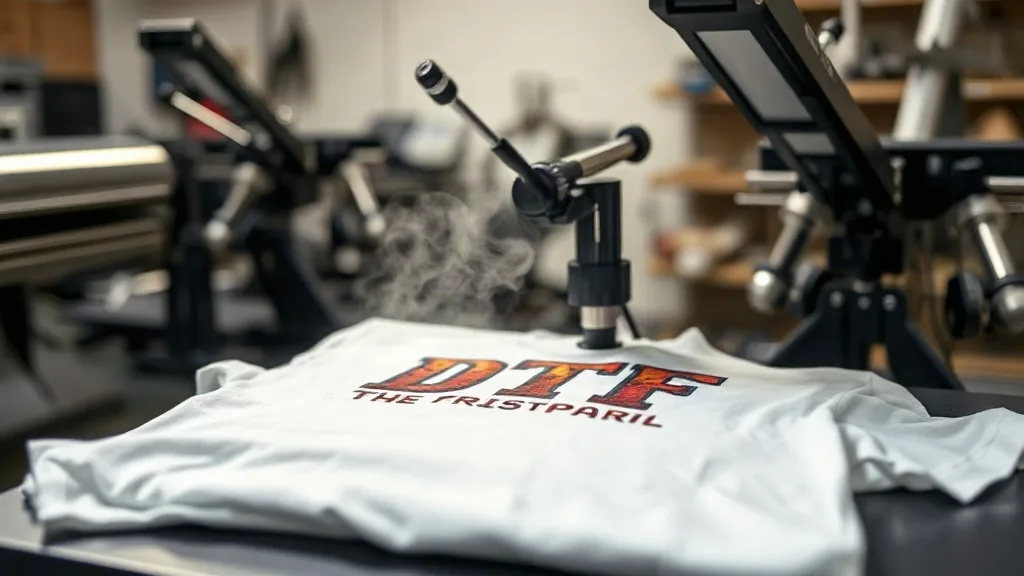
If you've been exploring custom apparel printing, you've likely encountered dtf transfers. This innovative technology has rapidly gained popularity for its versatility and vibrant results. Unlike traditional methods that require specialized equipment or messy processes, DTF (Direct-to-Film) printing offers a streamlined approach suitable for both small businesses and hobbyists. In this guide, we'll walk you through the essentials of dtf transfers, from understanding the materials to applying them like a pro. Whether you're just starting out or looking to refine your skills, this article will equip you with practical knowledge to achieve flawless prints every time.
What Are DTF Transfers?
DTF transfers are a type of heat-applied graphic produced by printing designs onto a special film. The process involves printing a design onto a PET film using specialized inks, then applying a powder adhesive while the ink is still wet. Once the powder is cured, the transfer is ready to be heat-pressed onto fabrics. This method stands out because it works on a wide range of materials, including cotton, polyester, blends, and even some nylons, without the need for pre-treatment. The result is a soft, stretchable print that holds up well to washing.
Why Choose DTF Transfers?
There are several reasons why DTF transfers have become a go-to for many in the garment decoration industry. First, the color vibrancy is exceptional; DTF prints can reproduce intricate details and gradients that other methods might struggle with. Second, because the transfers are applied with heat and pressure, they bond securely to the fabric, offering excellent durability. Third, DTF eliminates the need for weeding or masking, saving time and reducing waste. Additionally, DTF transfers are cost-effective for short runs and custom orders, making them ideal for small businesses or on-demand printing.
The DTF Transfer Process Step by Step
Understanding the workflow helps you avoid common pitfalls. Here's a breakdown of the key stages:
- Design Preparation: Create your artwork in a vector or high-resolution raster format. Remember to mirror the design horizontally before printing, as the transfer will be flipped when applied.
- Printing: Using a DTF printer, the design is printed onto a sheet of PET film with special DTF inks. The printer lays down a white ink base (if necessary) and then color inks.
- Powder Application: While the ink is still wet, apply the hot-melt adhesive powder evenly over the design. Shake off excess powder.
- Curing: Place the film in a curing oven or under a heat press at a temperature around 160-170°C (320-340°F) for a short time to melt the powder. This step is crucial for creating a durable bond.
- Heat Pressing: Once cured, the transfer is ready to be applied. Preheat your heat press to about 150-160°C (300-320°F) and press the transfer onto the fabric with medium pressure for 10-15 seconds. Peel the film while it's still warm (or cold, depending on the film type) to reveal the vibrant print.
Choosing the Right DTF Film and Powder
Not all DTF films are created equal. The film must be compatible with your printer and ink type. Generally, there are two main types: cold peel and hot peel. Cold peel films require the transfer to cool completely before peeling, which can result in a slightly glossier finish. Hot peel films allow you to remove the film immediately after pressing, speeding up production. The choice depends on your workflow and desired finish. As for the powder, it should match the ink chemistry; using the wrong powder can lead to poor adhesion or a stiff feel. Always source quality supplies from reputable suppliers to ensure consistent results.
Applications and Limitations
DTF transfers excel on cotton, polyester, and blends, but they may not adhere well to treated nylon or fabrics with heavy water-repellent coatings. They are also not recommended for stretch fabrics that undergo extreme elongation, as the print may crack over time. However, for most t-shirts, hoodies, and tote bags, DTF is a reliable choice. If you're wondering about dtf transfers near me, many local print shops now offer DTF services, making it easy to get started without investing in equipment.
Common Mistakes and How to Avoid Them
Even experienced users can run into issues. Here are some frequent problems and solutions:
- Insufficient pressure: If the transfer doesn't adhere properly, check your heat press pressure. It should be firm but not so heavy that it distorts the fabric.
- Incorrect temperature: Too low, and the powder won't melt; too high, and the film may warp or the ink may scorch. Always use a temperature gun to verify.
- Peeling too soon or too late: Follow the film manufacturer's instructions for peel timing. Hot peel films should be removed immediately, while cold peel films need to cool completely.
- Uneven powder application: Excess powder can cause a rough texture, while too little leads to poor adhesion. Aim for a light, even coating.
DTF vs. Other Printing Methods
How does DTF stack up against screen printing, DTG, and vinyl? Screen printing is cost-effective for large orders but requires setup and is impractical for complex designs. DTG (Direct-to-Garment) is great for cotton but struggles with polyester and often requires pre-treatment. Vinyl is durable but limited to simple shapes and colors. DTF, on the other hand, handles intricate designs on various fabrics without pre-treatment, making it a versatile middle ground. It's particularly advantageous for small batches and customized items.
Getting Started with DTF Transfers
If you're ready to dive into DTF printing, start by evaluating your needs. For occasional use, outsourcing to a local DTF service might be more economical. For frequent production, investing in a DTF printer and heat press makes sense. Ensure you have a well-ventilated workspace and follow safety guidelines for handling powders and hot equipment. Many suppliers offer starter kits that include film, powder, and instructions. Practice on scrap fabric to perfect your technique before moving to final garments.
Frequently Asked Questions
How long do DTF transfers last?
With proper application and care, DTF transfers can last as long as the garment itself. They withstand multiple washes without significant fading or cracking, especially if you wash inside out in cold water and avoid harsh detergents.
Can I use DTF transfers on dark colors?
Yes, DTF transfers work beautifully on dark fabrics because the white ink base provides opacity, ensuring the colors pop. This is a major advantage over DTG, which may require multiple passes on dark shirts.
What equipment do I need to start?
You'll need a DTF printer, DTF ink, PET film, hot-melt powder, a curing oven or heat press for powder curing, and a heat press for application. A computer with design software is also necessary.
Is DTF transfers suitable for small businesses?
Absolutely. DTF transfers are cost-effective for short runs and allow for quick turnaround, making them ideal for small businesses, especially those offering custom apparel.
Where can I find DTF transfers near me?
Many local print shops and online suppliers offer DTF transfer services. A quick search for dtf transfers near me will reveal options in your area.