
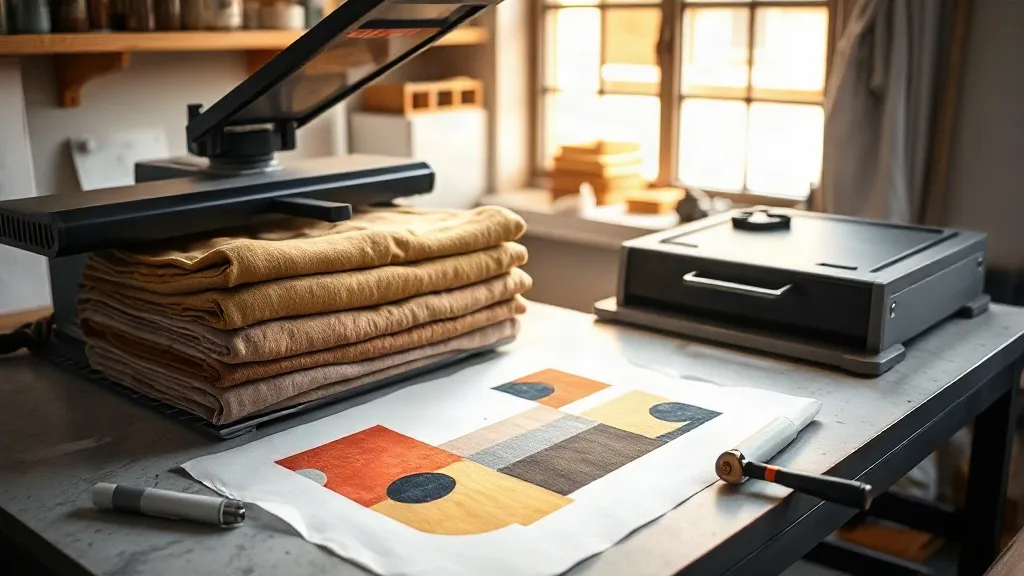
Walk into almost any streetwear shop or campus print operation and you will eventually spot a stack of shaka wear tees waiting to be decorated. The brand built its reputation on dense, heavyweight cotton at a price that keeps margins healthy, which makes it a natural fit for heat-applied transfers. But heavyweight fabric behaves differently under a heat press than the thin blanks most tutorials assume. If you treat a 6.5 oz Shaka tee like a standard 4.2 oz ring-spun, you will get dull hand feel, edge lift, and customers who come back with peeling prints after three washes.
This guide is written for the person standing behind the press, not for a marketing brochure. It covers how Shaka blanks actually behave with DTF film, what settings to start with, how to test properly, and how to price the work so a heavy tee does not quietly eat your profit.
Why Shaka Wear Blanks Change the DTF Equation
Shaka Wear garments are typically heavier and denser than the fast-fashion blanks that dominate budget print shops. That weight is the whole point: a 6.5 oz tee drapes with structure, holds its shape through repeated washing, and photographs well for e-commerce listings. For a print shop, heavier fabric means more surface area for the adhesive to grab, which sounds like good news, and it mostly is. The catch is heat penetration.
A thick cotton body absorbs and redistributes heat more slowly than a lightweight jersey. When you press a DTF transfer for the standard 10 to 15 seconds, the top layer of the garment may reach the right temperature while the fibers directly beneath the film are still catching up. The adhesive powder cures unevenly, and the corners of the design become the first place to fail. Understanding this single mechanic solves most of the problems people blame on the film itself.
Fabric weight versus press time
As a rough starting point, add a few seconds of pre-press to any garment above 5.5 oz. Pre-pressing does two jobs at once: it drives out ambient moisture that turns into steam under the film, and it brings the fabric surface up to temperature so the transfer adhesive bonds immediately on contact. Skipping the pre-press on a heavy tee is the most common cause of a print that looks fine on day one and lifts by week two.
Preparing Shaka Blanks Before the Transfer
Preparation is unglamorous and it is where most of the quality lives. Work through these steps in order and the press stage becomes predictable.
- Check for factory finish. New blanks often carry sizing agents or softeners from manufacturing. A quick press with a lint-free sheet can reveal residue; if the sheet comes away stiff or discolored, pre-wash or press longer before transferring.
- De-wrinkle with heat, not steam. Steam reintroduces the moisture you are trying to remove. Use the press itself with light pressure for a few seconds per section.
- Lint roll every panel. DTF adhesive grabs lint permanently. A two-second pass with a tacky roller saves a rejected shirt.
- Mark placement. Heavyweight tees sit flatter on the platen, so a small placement guide or a chalk mark keeps multi-size runs consistent.
Thread color and bleed-through
On lighter Shaka colorways, dark thread can occasionally show through a thin white underbase in the transfer. If you print white ink on a light garment, run a quick test panel first. On dark garments the opposite risk applies: insufficient white opacity lets the shirt color tint the design. Most DTF films handle this well, but heavyweight cotton with a textured surface can leave micro-gaps, so inspect the transfer under raking light before you commit to a full run.
Press Settings That Actually Work on Heavy Cotton
Every press runs a little differently, so treat the numbers below as a starting line and adjust from there. Log what you change so you can repeat a good result instead of guessing.
- Pre-press: 5 to 8 seconds at 320 to 340°F with medium pressure to flatten and dry the panel.
- Transfer press: 12 to 15 seconds at 300 to 320°F with firm, even pressure. Heavyweight cotton needs the higher end of the pressure range so the film makes full contact across the weave.
- Peel: Wait until the film is cool to the touch for a matte, soft finish. A hot peel works if you need speed, but the hand feel will be slightly crisper.
- Post-press: 5 seconds with a cover sheet or parchment to lock the adhesive into the fibers.
Pressure is the variable people underestimate. A press that is level and firm across the whole platen produces consistent results; a press with a worn upper platen will bond the center of a design and leave the edges weak. Check your press with a pressure test sheet every few weeks, especially before a large order.
Layering and multi-color designs
If you are building gang sheets with several designs per run, the DTF Gangsheet Builder lets you consolidate artwork into one sheet, which cuts film waste and keeps per-unit costs down. On Shaka blanks, keep each design's cut lines generous so you have room to position the transfer without fighting the seams. For multi-color artwork, press in a single pass rather than stacking films; stacked transfers on dense cotton trap air and produce a stiff, plate-like patch.
Wash Testing Without Wasting Shirts
Do not ship a new combination of blank and film without a wash test. The good news is that you only need one or two garments per run, and the data pays for itself the first time it prevents a reprint.
Wash the test tee inside out in cold water with a normal detergent, then tumble dry low. Repeat five times and inspect after each cycle. You are looking for three failure modes: edge lift, cracking across the ink layer, and color fading. If the print survives five cycles with no edge lift, you have a process that will hold up in normal customer use. Photograph the results and keep them with your press log; when a customer asks how the print lasts, you can answer with evidence instead of a guess.
What to tell customers about care
A short care card goes a long way. Advise washing inside out, avoiding fabric softener directly on the print, and skipping high-heat drying. On a heavyweight Shaka tee, the garment itself will outlast almost any decoration, so the care instructions are really about protecting the print, not the shirt.
Pricing Heavyweight Blanks Without Losing Margin
Heavier blanks cost more per unit, and that cost is easy to absorb accidentally when you quote from habit. Build your price from the actual numbers: blank cost, film and powder per square inch, labor time per press cycle, and a realistic reprint allowance. On heavyweight tees, add a small buffer for the extra pre-press time, because a 40-shirt run with an added pre-press step is not the same job as a 40-shirt run without it.
There is also a positioning upside. Shaka Wear tees read as premium to customers, which supports a higher retail price than a thin budget blank. Shops that present the weight and construction as a feature, rather than hiding it, tend to sell through heavyweight inventory faster and with less discounting.
Common Questions From Print Shops
Can I use DTF transfers on 100 percent cotton Shaka tees?
Yes. DTF film is designed to bond to cotton, cotton blends, and most synthetic fabrics, which is one reason it has become so popular for mixed inventory. The main adjustment on heavy cotton is longer pre-press time and firm pressure so the adhesive reaches the full weave.
Why does my transfer peel at the corners on heavyweight shirts?
Corner lift almost always points to uneven pressure or insufficient pre-press. The corners sit at the edge of the platen where pressure drops off, and on a thick garment the fabric there is not fully heated when the film lands. Re-level the press, increase pressure slightly, and extend the pre-press by two or three seconds.
How many washes should a DTF print survive on a heavy tee?
With correct settings and a proper post-press, a DTF print on heavyweight cotton should hold through dozens of normal wash cycles without edge lift. Run your own five-cycle test before a large order and use that result as your baseline, since detergent type, water hardness, and dryer temperature all affect longevity.
Is a gang sheet worth it for small Shaka Wear runs?
It usually is. Combining several designs onto one sheet reduces film waste and setup time, and the DTF Gangsheet Builder makes it straightforward to lay out mixed sizes. For runs under a dozen pieces, the savings on film and press cycles often justify the extra layout time.
Do I need a different press temperature for light and dark Shaka colors?
The temperature stays roughly the same. What changes is inspection: light garments show residue and lint more readily, while dark garments hide poor white opacity until the shirt is washed. Test one panel per colorway before committing to the full run.