
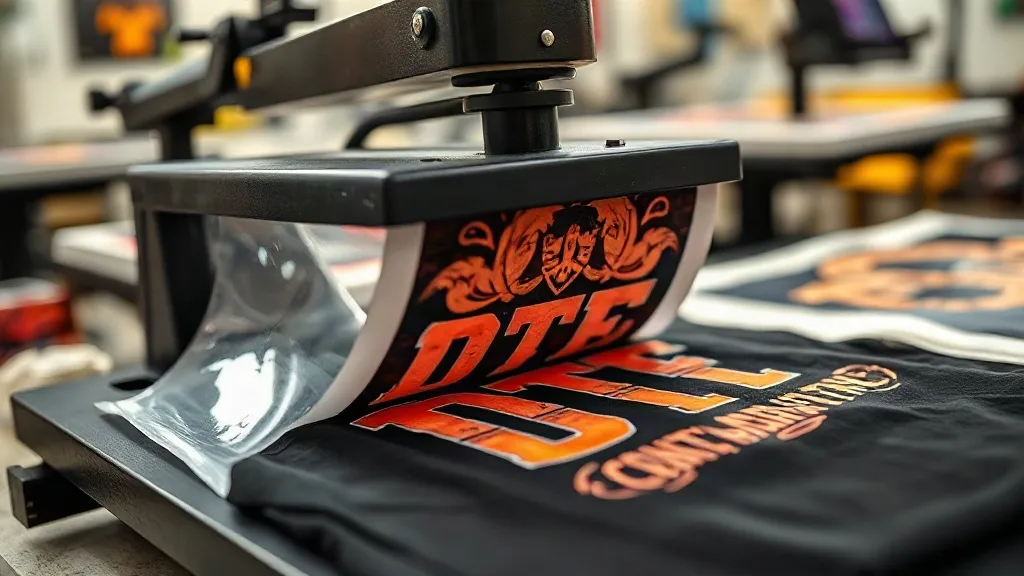
If you've been exploring custom apparel printing, you've likely encountered dtf transfers. This innovative method is changing how creators and businesses approach fabric printing, offering vibrant colors and durability without the limitations of traditional techniques. Whether you're a hobbyist or a professional, understanding DTF transfers can open up new possibilities for your projects.
What Are DTF Transfers?
DTF stands for Direct-to-Film. It's a printing process where your design is printed onto a special film, coated with adhesive powder, and then heat-pressed onto fabric. Unlike DTG (Direct-to-Garment) or screen printing, DTF works on a wide range of materials, including cotton, polyester, blends, and even nylon. The result is a soft, stretchable print that holds up wash after wash.
The DTF Printing Process
The process involves several key steps: designing, printing, powdering, curing, and pressing. First, your design is printed onto a PET film using specialized DTF inks. While the ink is still wet, a hot-melt adhesive powder is applied, then the film is cured to melt the powder. Finally, the transfer is placed on the fabric and pressed with a heat press. This method ensures excellent color vibrancy and detail, even on dark garments.
Why Choose DTF Transfers?
There are several reasons why dtf transfers have become a favorite among print shops and DIY enthusiasts. Here are the main advantages:
- Versatility: Works on almost any fabric, including blends and synthetics.
- Durability: Prints resist cracking, peeling, and fading.
- No pre-treatment: Unlike DTG, DTF doesn't require pre-treating the fabric.
- Cost-effective for small batches: No setup costs like screen printing.
- High detail: Captures fine lines and gradients beautifully.
These benefits make dtf an attractive option for both small businesses and large-scale production.
Getting Started with DTF Transfers
Ready to dive in? Here's what you need to know to start using DTF transfers effectively.
Essential Equipment
To begin, you'll need a DTF printer, DTF ink, PET film, adhesive powder, and a heat press. While you can purchase pre-made transfers, investing in your own setup gives you complete control over design and production. For those who prefer ready-to-use solutions, finding dtf transfers near me is easier than ever with online suppliers.
Design Preparation
Your design should be prepared in a vector format or high-resolution raster (300 DPI). Remember to mirror your design horizontally before printing, as the film will be flipped when pressed. Also, consider the fabric color: DTF prints are opaque, so they show up well on both light and dark materials.
Pressing Techniques
Heat press settings vary by fabric and transfer type, but a common starting point is 320°F (160°C) for 10-15 seconds with medium pressure. Always peel the film warm (while still hot) for best results. Using a Teflon sheet or parchment paper protects the print during pressing.
Common DTF Mistakes to Avoid
Even experienced printers can run into issues. Here are some pitfalls to watch out for:
- Insufficient pressure: Leads to poor adhesion and wash-out.
- Wrong temperature: Too hot can scorch fabric; too cold won't melt the adhesive.
- Peeling cold: Causes cracking; always peel while warm.
- Ignoring fabric type: Some fabrics require lower temperatures.
By avoiding these mistakes, you'll achieve professional-looking results every time.
DTF vs. Other Printing Methods
How does dtf transfers compare to DTG, screen printing, and vinyl? Each has its strengths, but DTF shines in its ability to handle complex designs on diverse fabrics without extensive setup. For short runs and detailed artwork, DTF is often the most practical choice.
Frequently Asked Questions
How long do DTF transfers last?
With proper care, DTF prints can last 50+ washes without significant fading or cracking. Wash inside out in cold water and avoid harsh detergents.
Can I use DTF transfers on dark shirts?
Absolutely! DTF transfers include a white ink layer that makes colors pop on dark fabrics. No need for a separate white underbase.
Do I need a special printer for DTF?
Yes, DTF requires a printer that uses DTF ink and can handle PET film. However, you can also buy pre-printed transfers from suppliers.
What fabrics work best with DTF?
DTF works on cotton, polyester, blends, nylon, and more. It's not recommended for fabrics with heavy coatings or water-repellent finishes.
How do I store DTF transfers?
Store unused transfers in a cool, dry place away from direct sunlight. Use them within six months for optimal performance.
With this guide, you're well on your way to mastering dtf transfers. Experiment, practice, and enjoy the creative freedom this versatile technique offers.