
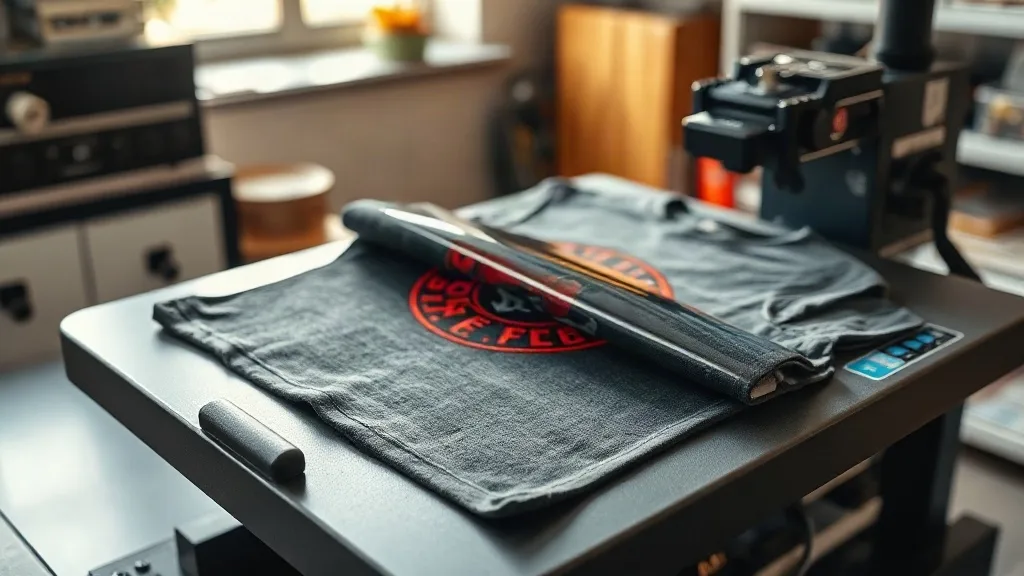
You've probably seen it: a shirt comes out of the press looking perfect, then after a few washes the design starts to crack, peel, or fade. Or maybe the colors look washed out right from the start, and you can't figure out why. These are the kinds of problems that make dtf transfers feel unpredictable, even for people who've been printing for years. The truth is, most issues come down to a handful of avoidable mistakes. Once you know what they are, you can fix them and get consistent, professional results.
The Most Common DTF Transfers Mistakes (and How to Fix Them)
Let's go through the mistakes that cause the most frustration. Some are about technique, some are about materials, and some are about expectations. All of them are fixable.
1. Pressing at the Wrong Temperature or Pressure
Temperature and pressure are the two settings that make or break a dtf transfer. Too low, and the adhesive won't fully activate, leading to peeling. Too high, and the film can scorch or the adhesive can bleed, creating a messy outline around the design. Pressure matters just as much: too little and the transfer won't bond; too much and the design can spread or the fabric can develop shine marks.
Most DTF transfers work best in the 150–160°C (300–320°F) range, but always check the instructions that come with your transfers. Use a press with a digital controller and calibrate it with a heat gun if you're unsure. For pressure, aim for medium-firm: you should feel resistance when you close the press, but not have to force it. A quick test: press a scrap transfer onto a scrap garment and check the bond after it cools. If it peels easily, increase pressure or temperature slightly and try again.
2. Not Pre-Pressing the Garment
Skipping the pre-press is one of the easiest mistakes to make, and one of the most damaging. Fabric straight out of a package often holds moisture, and moisture is the enemy of a good bond. Pre-pressing for 5–10 seconds removes moisture and smooths wrinkles, giving the transfer a flat, dry surface to adhere to.
This step also helps with heat-sensitive fabrics. A quick pre-press can shrink the fabric slightly before you apply the design, so you don't get puckering later. Make it a habit: pre-press every garment, every time, even if it looks dry.
3. Peeling the Film at the Wrong Temperature
Peeling the carrier film too soon or too late can ruin an otherwise perfect press. If you peel while the transfer is still hot, the adhesive may string or pull away from the fabric. If you wait until it's completely cold, the adhesive can set too hard and take some of the design with it when you peel.
The right approach depends on the film. Most DTF films are designed for hot peel, meaning you peel immediately after pressing while the transfer is still hot. Some are warm peel, where you wait a few seconds. Check your supplier's instructions and stick to them. If you're unsure, try a test press and peel at different temperatures to see what works best with your film and fabric.
4. Using the Wrong Fabric or Ignoring Fabric Limitations
DTF is versatile, but it's not magic. It works best on cotton, polyester, and blends, but results vary. On 100% polyester, especially smooth or coated fabrics, the transfer may not adhere well or may feel stiff. On stretchy fabrics, the design can crack if the transfer isn't flexible enough. And on fabrics with a heavy texture or coating, the adhesive may not reach the fibers.
Before you commit to a big order, test on the actual garment you plan to use. Press a small transfer and check the bond, stretch, and feel. If it doesn't work, consider a different fabric or a different transfer type. Also, be mindful of heat-sensitive fabrics like nylon or some synthetics: use lower temperatures and test carefully.
5. Skipping the Cooling and Second Press
After you peel the film, the transfer is still setting. Rushing to fold or pack the garment can cause the design to lift or wrinkle. Let it cool completely on a flat surface. For extra durability, especially on stretchy fabrics, a second press for 5–10 seconds with a protective sheet (like parchment paper or a Teflon sheet) can help the design settle into the fabric.
This step also improves wash durability. Many printers skip it because it adds time, but it's a small investment for a big payoff.
6. Storing Transfers Incorrectly
DTF transfers are sensitive to moisture, heat, and light. Storing them in a humid room or near a heat source can cause the adhesive to degrade or the film to warp. Keep them in a cool, dry place, ideally in a sealed bag or container. Avoid stacking heavy items on top of them, as pressure can damage the adhesive layer.
If you buy in bulk, use them within the recommended shelf life (usually 6–12 months). Older transfers may still work, but test them first. A quick test press on scrap fabric can save you from a ruined garment.
7. Ignoring the Importance of a Good Heat Press
A cheap or inconsistent heat press is a common hidden cause of DTF problems. If the temperature fluctuates or the pressure is uneven, you'll get inconsistent results no matter how careful you are. Look for a press with a digital temperature control, a pressure gauge, and a flat platen. Calibrate it regularly with a heat gun or a thermocouple.
If you're using a home iron or a cheap press, consider upgrading. A reliable press is one of the best investments you can make for consistent dtf transfers.
How to Choose the Right DTF Transfers for Your Needs
Not all DTF transfers are created equal. The quality of the film, the ink, and the adhesive all affect the final result. When you're looking for dtf transfers near me, pay attention to the supplier's reputation, the transfer's shelf life, and whether they provide instructions. A good supplier will offer samples so you can test before committing to a large order.
Consider the fabrics you'll be working with most. If you print on a lot of polyester, look for transfers designed for synthetics. If you need stretch, choose a flexible film. And always check the wash durability claims: a reputable supplier will provide test results or at least clear guidelines.
Preventing Problems Before They Happen
The best way to avoid DTF mistakes is to build a consistent process. Create a checklist for every press: pre-press, set temperature and pressure, press, peel, cool, second press if needed. Keep a log of settings for different fabrics so you can repeat success. And train anyone who uses the press to follow the same steps.
Also, keep your equipment clean. Adhesive residue on the platen or the press can transfer to garments and cause stains. Wipe down the platen regularly and use a protective sheet when pressing to keep things clean.
Frequently Asked Questions
Why do my DTF transfers peel after washing?
Peeling after washing usually means the adhesive didn't fully bond. This can be caused by insufficient pressure, low temperature, too short a press time, or pressing over a wrinkled or damp garment. Make sure you pre-press the garment, use the correct settings, and allow the transfer to cool completely before washing. Also, check that you're using the right transfer for the fabric.
Can I use DTF transfers on 100% polyester?
Yes, but results can vary. DTF works on polyester, but the bond may be less durable than on cotton, especially on smooth or coated polyester. Use a lower temperature (around 150°C) and test on a scrap first. Some suppliers offer specific transfers for polyester that may perform better.
How long should I press a DTF transfer?
Most DTF transfers require 10–15 seconds at 150–160°C with medium-firm pressure. Always follow the instructions provided by your supplier, as different films may have specific requirements. A second press of 5–10 seconds after peeling can improve durability.
What is the difference between hot peel and cold peel DTF transfers?
Hot peel transfers are designed to be peeled immediately after pressing while still hot. Cold peel transfers should be left to cool completely before peeling. Using the wrong method can cause the design to lift or crack. Always check which type you have and follow the recommended procedure.
How should I store unused DTF transfers?
Store them in a cool, dry place away from direct sunlight and heat sources. Keep them in a sealed bag or container to protect from moisture. Avoid stacking heavy items on top. Use within the recommended shelf life, typically 6–12 months, and test older transfers before using them on a final garment.