
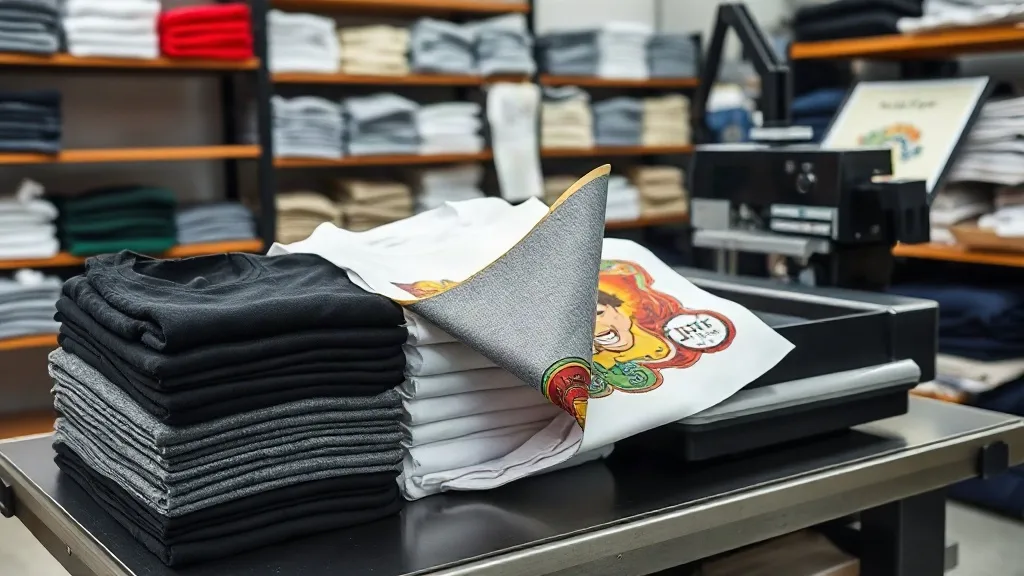
You've dialed in your DTF printer, your powders are flowing, and your press is calibrated. Then a customer orders a batch of tees on a blank you've never printed before, and suddenly you're fighting dull colors, cracked transfers, or a hand-feel that feels more plastic than premium. The blank matters just as much as the ink. In this guide, we're cutting through the noise and looking at how to choose shaka wear blanks that actually work with DTF, so you can stop wasting time on reprints and start turning out shirts that customers want to wear again and again.
Why the Blank Makes or Breaks a DTF Print
DTF transfers are versatile, but they're not magic. The way a fabric accepts the adhesive, the way it handles heat, and the way it moves after washing all affect how your print looks and lasts. A 100% cotton tee with a tight knit will hold a transfer differently than a loose-knit poly blend. If you've ever seen a DTF print go from vibrant to washed-out after a single wash, the blank is often the culprit.
Shaka Wear has built a reputation for heavyweight, streetwear-ready blanks that take prints well, but even within their lineup there are differences. Knowing which styles pair best with DTF will save you from headaches and help you set realistic expectations with your customers.
Key Fabric Factors for DTF Success
Before we get into specific Shaka Wear styles, let's cover the fabric characteristics that matter most for DTF.
Fiber Content
Cotton and cotton-rich blends are generally the safest bet for DTF. The adhesive in DTF powder bonds well to natural fibers, and the print sits nicely on the surface without sinking in too much. High-polyester fabrics can work, but they often require lower pressing temperatures and may have a slightly different hand-feel. Shaka Wear's core tees are 100% cotton, which is a big reason they're popular for DTF.
Fabric Weight
Heavier fabrics, like 6 oz and up, provide a stable surface for the transfer. They don't stretch as much during pressing, which reduces the risk of the transfer shifting or wrinkling. Shaka Wear is known for their heavyweight tees, and that weight works in your favor when you're pressing DTF. Lighter fabrics can work too, but you'll need to be more careful with pressure and stretching.
Knit and Texture
A tight, smooth knit gives you the best surface for DTF. If the fabric has a lot of texture or a loose weave, the transfer may not adhere evenly, leading to premature cracking or peeling. Shaka Wear's tees typically have a smooth hand, which helps the transfer bond uniformly.
Color
DTF prints are opaque, so you can print on dark colors without a white underbase. However, very dark or saturated colors can sometimes show through if the print is thin. Shaka Wear offers a wide range of colors, and most work well with DTF. Just be mindful that on very dark shirts, you may need to increase the white layer in your design to maintain vibrancy.
Shaka Wear Styles That Shine with DTF
Now let's look at some specific Shaka Wear blanks and how they perform with DTF.
Shaka Wear Heavyweight Tees
The heavyweight cotton tees are a staple for DTF printers. The 6.0 oz and 6.5 oz options offer a substantial feel that customers associate with quality. The tight knit and smooth surface mean your transfers go down flat and stay put. These are ideal for bold graphics, large back prints, and anything that needs to hold its shape. If you're doing a lot of DTF work, keeping a stack of these in stock is a smart move.
Shaka Wear Ringspun Cotton Tees
Ringspun cotton is softer and often lighter weight, but Shaka Wear's ringspun options still have enough structure for DTF. The softer hand means the print may feel a bit more integrated, which some customers prefer. Just be aware that lighter-weight ringspun fabrics can be more prone to stretching during pressing, so use a pressing pillow or adjust your pressure.
Shaka Wear Polyester Blends
If you're printing on performance or poly-blend shirts, DTF can still work, but you'll need to adjust your process. Lower the press temperature to around 280-300°F and use light pressure. Shaka Wear's poly blends are popular for activewear and team uniforms, and with the right settings, DTF transfers adhere well. Always test a sample first to dial in the settings.
Shaka Wear Fleece and Hoodies
DTF on fleece can be tricky because of the texture and loft. Shaka Wear's fleece is substantial, which helps, but you'll need to pre-press to flatten the surface and use a higher pressure to get the transfer into the fibers. For best results, choose designs with solid areas rather than fine details, as the texture can cause slight inconsistencies.
Preparing Shaka Wear Blanks for DTF
Even the best blank needs proper prep. Here's a quick checklist before you press:
- Pre-press the shirt: A quick 5-second press removes moisture and wrinkles. This is especially important for heavyweight cotton, which can hold moisture from shipping.
- Check for sizing: Some Shaka Wear styles come with a light sizing that can interfere with adhesion. If you notice any stiffness, a quick wash or pre-press can help.
- Use a pressing pillow: For tees with seams or collars, a pillow helps distribute pressure evenly and prevents the transfer from creasing.
- Lint roll: DTF powder and lint don't mix. A quick lint roll ensures a clean surface.
Common Pitfalls and How to Avoid Them
Printing DTF on Shaka Wear isn't rocket science, but a few common mistakes can trip you up.
Pressing Too Hot or Too Long
DTF transfers typically press at 300-325°F for 10-15 seconds. Going hotter or longer can cause the adhesive to over-cure, leading to a stiff, cracked print. Always follow the transfer manufacturer's recommendations and adjust for fabric weight. For heavyweight Shaka Wear tees, you might need a couple extra seconds, but don't overdo it.
Not Enough Pressure
Insufficient pressure is a common cause of poor adhesion. The transfer needs to be pressed firmly into the fabric. If you're using a heat press, make sure the pressure is set so that you can just close the press with two fingers. For Shaka Wear's heavier fabrics, you may need to increase pressure slightly.
Ignoring Fabric Shrinkage
Cotton shirts can shrink, especially after the first wash. If you're printing a large design that goes edge to edge, shrinkage can cause the print to distort. Pre-shrinking the blanks or choosing a size up can mitigate this. Shaka Wear tees are generally pre-shrunk, but it's always good to test.
Maximizing Efficiency with Gangsheets
If you're printing multiple shirts, using a DTF Gangsheet Builder can save you hours. Instead of printing one design at a time, you can arrange multiple designs on a single sheet, maximizing your printer's output. This is especially useful when you're working with Shaka Wear blanks in bulk. By planning your gangsheet layout, you can reduce waste and streamline production. For more tips on gangsheet efficiency, check out our guide.
When building a gangsheet for Shaka Wear tees, consider the size and placement of each design. Heavyweight tees often have a larger printable area, so you can fit more designs per sheet. Just be sure to leave enough space between designs for cutting.
Choosing the Right Shaka Wear Blank for Your Customer
Not every customer wants the same thing. Some want a soft, lightweight tee; others want a heavy, structured shirt. Shaka Wear's lineup covers a range of preferences, so you can match the blank to the project. For streetwear brands, the heavyweight tees are a natural fit. For promotional events, the ringspun tees offer a softer feel at a lower cost. Knowing the characteristics of each style helps you guide your customers and set expectations.
Frequently Asked Questions
Can I use DTF on all Shaka Wear fabrics?
Most Shaka Wear fabrics work with DTF, but results vary. 100% cotton and cotton-rich blends are the easiest. Polyester blends require lower temperatures and may have a slightly different hand-feel. Fleece and textured fabrics need extra care. Always test a sample before running a full batch.
What heat press settings work best for Shaka Wear heavyweight tees?
For Shaka Wear heavyweight cotton tees, start with 320°F for 12-15 seconds with medium-heavy pressure. Pre-press for 5 seconds to remove moisture. Adjust based on your transfer supplier's recommendations and always do a peel test after pressing.
How do I prevent DTF prints from cracking on Shaka Wear shirts?
Cracking usually comes from under-curing or too much heat. Make sure your press is at the right temperature, use consistent pressure, and avoid over-pressing. Also, wash the shirts inside out in cold water and avoid fabric softener to prolong print life.
Is DTF suitable for Shaka Wear hoodies?
Yes, but it requires adjustments. Pre-press the hoodie to flatten the surface, use a pressing pillow for seams, and increase pressure slightly. Choose designs with larger solid areas rather than fine details to account for the fabric texture.
Where can I buy Shaka Wear blanks for my print shop?
Shaka Wear blanks are available through various distributors. Look for suppliers that specialize in blank apparel for printers. Some distributors offer bulk pricing and fast shipping, which is ideal for busy shops. Always check stock levels and order samples before committing to large quantities.