
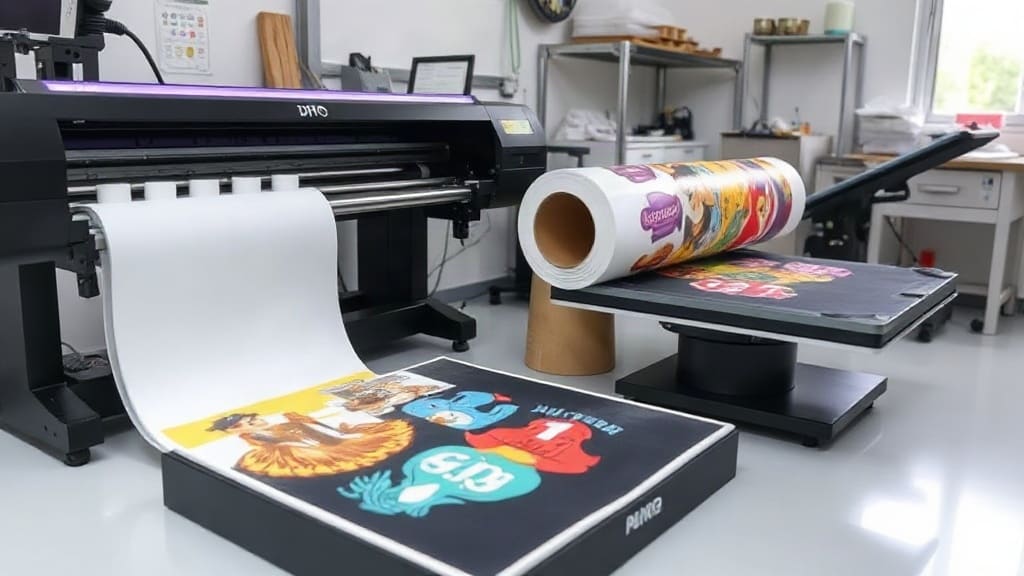
DTF printing, or Direct to Film, has taken the custom apparel world by storm. If you've been searching for a way to create vibrant, durable prints on various fabrics without the hassle of weeding intricate designs, DTF might be your answer. I remember the first time I tried it: the excitement of pulling a perfect transfer off the press was unmatched. This guide will walk you through everything you need to know about DTF printing, from how it works to setting up your own business.
What is DTF Printing?
DTF is a digital printing method that involves printing your design onto a special PET film, applying adhesive powder, and then heat-pressing that film onto a garment. Unlike traditional screen printing, there's no need for screens or complex setups. Unlike DTG (Direct to Garment), you can print on polyester, nylon, cotton, and blends with equal ease. The result is a soft, stretchable, and durable print that feels great to wear.
But how does it actually work? Let's break it down step by step so you see exactly why this method is so versatile.
How DTF Printing Works
- Design and Print: You create or upload a design using graphic software. Then, a DTF printer prints it in reverse (mirrored) onto a special PET film using CMYK plus white ink. The white ink is crucial because it creates an opaque base that makes colors pop on dark fabrics.
- Apply Adhesive Powder: While the ink is still wet, you sprinkle a hot-melt adhesive powder over the printed film. This powder sticks to the ink. You then shake off the excess, leaving powder only on the printed areas.
- Heat Cure: The film passes through a dryer or heat press to melt the powder and cure the ink. This step activates the adhesive and ensures the transfer will bond properly to the fabric.
- Heat Press Transfer: Finally, you place the film (with the printed side down) onto your garment and press it with a heat press at around 160°C (320°F) for 15-20 seconds. After peeling off the film, you're left with a vibrant, full-color design that feels like part of the fabric.
It sounds simple, and in many ways it is. But there are nuances that can make or break your results. Let's dive into the equipment and materials you'll need.
Essential Equipment and Materials for DTF
To start with DTF, you don't need a huge investment, but you do need specific items. Here's a checklist based on my experience:
- DTF Printer: You can modify an Epson EcoTank printer for DTF, but many prefer dedicated DTF printers with built-in white ink circulation to prevent clogging. Popular models include the Epson F2100 or variants from companies like Riicolors or ViBella.
- PET Film: This is the transfer film. It comes in rolls or sheets, and you need one that is compatible with your printer and has a good coating to hold the ink.
- Adhesive Powder: Hot-melt adhesive is available in different grain sizes. Fine powder works best for detailed designs, while coarser powder is for larger blocks of color.
- Heat Press: A clamshell or swing-away heat press with accurate temperature control is essential. You'll also need a Teflon sheet to protect the film during the final press.
- Shaker and Curing Oven: You can manually apply powder and use a heat gun, but for consistency, invest in a powder shaker and a curing oven or tunnel dryer. This speeds up production and ensures even melting.
When I first started, I used a simple Epson printer with a refillable cartridge system and a cheap heat press. It worked, but upgrading to a dedicated DTF printer with a curing oven changed my workflow dramatically. The quality and efficiency improved, and I could take on larger orders.
DTF vs. DTG and Screen Printing
You might be wondering how DTF compares to other popular methods. Each has its strengths, but DTF offers unique advantages.
DTF vs. DTG
DTF can print on polyester, whereas DTG struggles with synthetic fabrics because the ink doesn't bond well. DTG also requires pretreatment for many garments, adding time and cost. DTF films are pre-treated, so you can skip that step. Additionally, DTF transfers can be stored for later use, allowing you to print in bulk and press on demand. DTG prints directly onto the shirt, so you can't print ahead of time without the risk of fading or cracking.
DTF vs. Screen Printing
Screen printing is great for large orders with simple designs, but it has high setup costs and is impractical for full-color or highly detailed images. DTF has no screen setup, making it perfect for small batches, custom one-offs, and complex graphics. The print quality is comparable, and DTF allows for a softer hand feel because the ink sits on the surface rather than being pressed into the garment.
Tips for Getting the Best DTF Results
After many hours of trial and error, I've compiled a list of tips that will help you produce professional-quality prints:
- Use High-Resolution Images: Always start with at least 300 DPI designs. Low-res images will look pixelated after transfer.
- Calibrate Your Printer: Regularly run nozzle checks and cleanings to prevent clogging, especially if you use white ink. White ink is thicker and more prone to settling.
- Adjust for Different Fabrics: Cotton may need a lower temperature and longer press time, while polyester requires a higher temperature but shorter time to avoid scorching. Always test on a scrap piece first.
- Peel While Hot or Cold? Most DTF films require hot peeling (immediately after pressing) for best adhesion, but some work with cold peel. Check your film's instructions. I prefer hot peel for most jobs because it saves time.
- Store Transfers Properly: Keep unused printed films in a cool, dry place away from sunlight. Moisture can affect the adhesive, so use silica gel packets in your storage bins.
One mistake I made early on was pressing too hard. Excessive pressure can squeeze the adhesive out, causing the print to crack. Use medium pressure and a Teflon sheet to distribute heat evenly.
Starting a DTF Business
Given its low barrier to entry, many entrepreneurs are turning to DTF printing as a profitable venture. Here are some practical steps to get started:
- Research Your Market: Identify your niche. Are you targeting sports teams, small businesses, or personalized gifts? Understanding your customers' needs will help you tailor your offerings.
- Create a Business Plan: Outline your startup costs, pricing strategy, and revenue projections. Include costs for equipment, materials, marketing, and overhead. A comprehensive plan is essential for securing funding if needed.
- Invest in Quality Equipment: While you can start with a converted printer, consider investing in a professional DTF printer and curing oven from the get-go if your budget allows. This will save you headaches down the line.
- Develop Your Skills: Practice printing on various fabrics and perfect your pressing technique. The more you practice, the fewer mistakes you'll make on paid orders.
- Market Your Services: Use social media, especially Instagram and TikTok, to showcase your work. Before and after videos of the transfer process are very engaging. Also, consider offering samples to local businesses to generate word-of-mouth referrals.
Many DTF businesses start as home-based operations. With a small footprint, you can set up in a spare room or garage. Just ensure you have proper ventilation for the curing oven and enough space to handle large rolls of film.
Common DTF Problems and Solutions
Even with the best setup, issues can arise. Here are some common problems and how to fix them:
- Poor Adhesion: If the transfer doesn't stick well, it could be due to insufficient adhesive powder, low temperature, or old film. Increase the press time and temperature slightly, and ensure you're using the correct powder for your film type.
- Cracking: This often happens when the print is over-pressed or stretched. Use lighter pressure and ensure the garment is flat. Also, avoid pulling the fabric too much when peeling.
- Color Fading: Fading can occur if the ink isn't cured properly. Make sure your curing oven is at the right temperature and that the film passes through at the correct speed. For heat press curing, test with a thermometer to verify actual temperature.
- White Ink Clogging: White ink is notorious for clogging printheads. Run a cleaning cycle daily, and use a printer with a built-in circulation system if possible. Also, gently shake the ink cartridges regularly to prevent pigment settling.
Remember, troubleshooting is part of the learning curve. Don't get discouraged if your first few prints aren't perfect. With persistence, you'll develop an intuition for the process.
Cost Considerations
One of the biggest questions is: How much does DTF printing cost? The startup investment can range from $3,000 to $10,000 or more, depending on whether you buy a beginner kit or a professional setup. Here's a rough breakdown:
- Printer: $1,500 to $5,000
- Heat Press: $300 to $1,000
- Powder Shaker and Curing Oven: $500 to $3,000 (if you buy separately)
- Materials (film, powder, ink): $200 to $500 for initial stock
Per transfer, the cost is roughly $0.50 to $1.50 for a standard size, depending on ink coverage and film quality. You can sell each transfer for $5 to $15, making for a healthy profit margin. Many businesses also offer pressing services for an additional fee.
DTF Trends and Future Outlook
The DTF industry is evolving rapidly. We're seeing advancements in ink formulations that are more eco-friendly, and printers with higher resolution and faster speeds. There's also a trend toward hybrid machines that can do both DTF and DTG, giving businesses more flexibility.
As the technology becomes more accessible, DTF is likely to remain a popular choice for custom apparel. Its ability to handle complex designs on any fabric makes it a versatile tool for both small startups and established print shops.
Frequently Asked Questions
How long do DTF transfers last?
With proper care, DTF prints can last for years. They are resistant to cracking and fading, and they can withstand multiple washes. The key is to use quality materials and follow the recommended pressing instructions. Washing inside out with cold water and avoiding bleach will extend the life of the print.
Can DTF be used on any fabric?
Yes, DTF works on a wide range of fabrics, including cotton, polyester, blends, nylon, and even leather. However, for very stretchy fabrics like spandex, you may need a special stretchable film or adjust your technique to prevent cracking. Always test on a sample before production.
Do I need to weed DTF transfers?
No, one of the biggest advantages of DTF is that there is no weeding required. The adhesive powder only sticks to the printed ink, so you can simply shake off the excess. This saves a huge amount of time compared to vinyl or other methods.
What's the difference between DTF and sublimation?
Sublimation uses heat to turn ink into gas and bond it to polyester fibers, so it only works on light-colored, polyester-based fabrics. DTF, on the other hand, prints onto a film that is then pressed onto any fabric, regardless of color or material. DTF can produce opaque prints on dark garments, which sublimation cannot do.
Can I use a regular inkjet printer for DTF?
Technically, you can modify some inkjet printers, like the Epson EcoTank series, to use DTF inks and films. However, regular printers lack the white ink circulation system needed to prevent clogging, so they require more maintenance. For serious production, it's better to invest in a printer specifically designed for DTF.
Conclusion
DTF printing is an exciting and accessible technology that opens up endless possibilities for custom apparel. Whether you're a hobbyist looking to personalize shirts for friends or an entrepreneur ready to launch a business, DTF offers a low-cost entry point with professional results. From my first test prints to scaling up, I've found DTF to be reliable, versatile, and fun. With the right equipment, a bit of practice, and a creative spirit, you'll be producing stunning transfers in no time.
If you're ready to dive in, start by researching printers and films that fit your budget. Watch tutorials, join online communities, and don't be afraid to experiment. The DTF community is supportive, and sharing your experiences will speed up your learning curve. So, go ahead and give it a try. Your first successful DTF print will be the start of something great.