
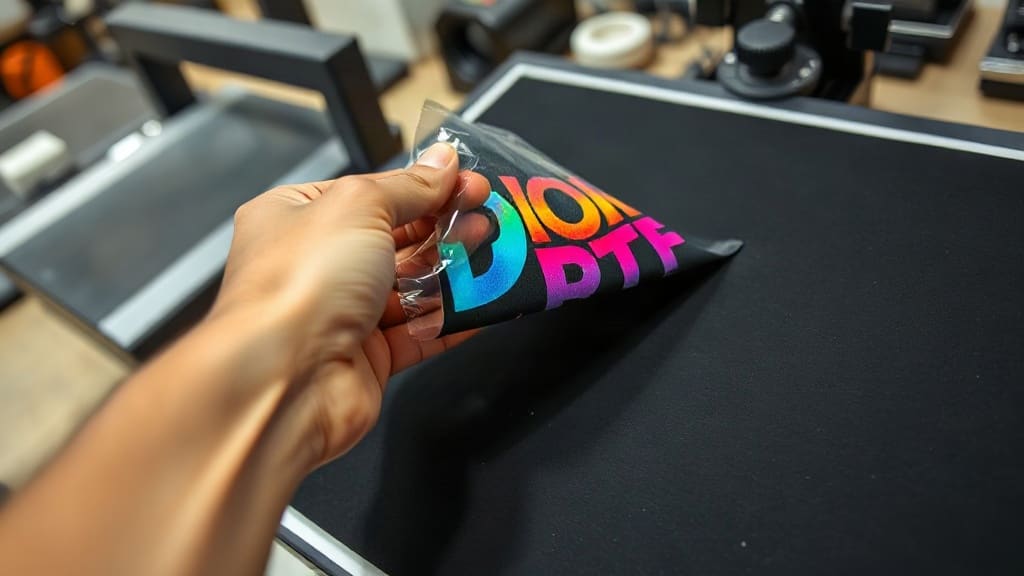
When the demand for custom apparel spikes and you need prints fast, the first thing that comes to mind is often "DTF transfers near me." The convenience of working with a local shop is undeniable: you can see samples, discuss details face-to-face, and avoid shipping delays. But finding a supplier that delivers consistent quality isn't always straightforward. I've been in this industry for years, and I've seen both brilliant local partners and frustrating ones that cost time and money. This guide will help you navigate the process of choosing a local DTF transfers provider with confidence, so you can focus on growing your business and satisfying your customers.
What Exactly Are DTF Transfers?
DTF (Direct to Film) transfers are a popular method for printing custom designs onto garments. Unlike screen printing, which requires screens and setup per color, DTF uses a special film that is printed with your design, coated with adhesive powder, and then heat-pressed onto the fabric. It works on a wide range of materials, including cotton, polyester, blends, and even nylon, making it incredibly versatile.
The process is straightforward: you send your artwork to a supplier (or print in-house if you have the equipment), they produce the transfer, and you press it onto your t-shirt, hoodie, or tote bag. The result is a durable, vibrant print that can withstand washing and stretching.
Why Search for "DTF Transfers Near Me"?
There are several reasons why you might prefer a local supplier over an online one:
- Speed: No waiting for shipping. You can get transfers in days, sometimes even same-day if you're in a hurry.
- Communication: You can talk directly with the printer, ask questions, and get immediate feedback on your design.
- Quality Control: You can physically inspect samples before committing to a large order.
- Support Local Economy: Working with local businesses strengthens your community and can lead to valuable partnerships.
But proximity alone doesn't guarantee quality. You need to be selective and understand what makes a great DTF transfer.
What Makes a High-Quality DTF Transfer?
Not all DTF transfers are created equal. Here's what to look for to ensure you're getting a product that will make your customers happy:
1. Print Resolution and Color Accuracy
A quality transfer should have crisp, sharp details. The colors should be vibrant and match your original design as closely as possible. Ask to see printed samples of similar designs to gauge their printer's capability. Look for smooth gradients and no banding or pixelation.
2. Adhesive Powder Quality
The adhesive powder is what makes the transfer stick to the fabric. Poor-quality powder can lead to peeling, cracking, or poor adhesion after a few washes. A good supplier will use a premium powder that melts evenly and creates a strong bond.
3. Film and Ink
The type of film used affects the transfer's durability and feel. High-quality films are flexible and don't add excessive stiffness to the garment. Likewise, the ink should be formulated for DTF, offering good color saturation and washfastness.
4. Cutting and Weeding
Precision cutting is essential, especially for complex designs with fine lines or small text. If the supplier doesn't cut accurately, you'll have to do extra weeding (removing excess film), which eats into your time. Some suppliers offer weeded transfers, but that adds cost. Clarify what's included.
5. Consistency
The supplier should be able to reproduce the same quality batch after batch. This is especially critical if you're ordering in bulk for a client. Inconsistent printing can ruin your reputation.
How to Find Reliable DTF Transfer Suppliers Locally
Now that you know what to look for, here's a step-by-step approach to finding the right local partner:
Step 1: Do a Thorough Online Search
Start with a search for "DTF transfers near me" on Google. Look at the top results, but don't just click on the first one. Visit their websites and check for:
- Portfolio of previous work
- Customer reviews and testimonials
- Pricing information (whether transparent or on request)
- Turnaround times
Pay attention to reviews on Google Maps and social media. A pattern of negative feedback is a red flag.
Step 2: Ask for Samples
Before placing a large order, request a small sample order. Most reputable suppliers will offer this, sometimes for a small fee or even free if you're serious. Test the transfers on different fabrics, wash them multiple times, and see how they hold up. This is the only way to truly evaluate quality.
Step 3: Check Their Equipment
If possible, visit the facility. A clean, organized workspace with modern equipment is usually a sign of professionalism. Ask about their printers, films, and inks. You don't need to become an expert, but their answers will indicate their level of expertise.
Step 4: Evaluate Customer Service
How they treat you during the inquiry phase is often how they'll treat you during the order. Are they responsive? Do they answer your questions thoroughly? Are they willing to offer advice on file setup? A good supplier is a partner, not just a vendor.
Step 5: Compare Pricing
Price is important, but don't choose solely on the lowest quote. Very cheap transfers might indicate lower quality materials or rushed production. Get quotes from multiple suppliers and compare them based on quality, turnaround, and service. Remember, the cheapest option can end up costing you more in reprints and unhappy customers.
Common Mistakes to Avoid When Sourcing DTF Transfers Locally
Even with careful research, it's easy to fall into these traps:
1. Ignoring File Requirements
Each supplier has specific file format requirements (usually PNG or PDF with transparent backgrounds). Make sure your artwork meets their specs: proper resolution (at least 300 DPI), correct color mode (CMYK), and appropriate sizing. Not following guidelines can lead to delays or poor prints.
2. Overlooking Pressing Instructions
DTF transfers require specific heat press settings: temperature, pressure, and time. Your supplier should provide clear instructions. If they don't, ask. Each transfer might be slightly different, so always follow their recommendations to avoid ruining the transfer.
3. Not Ordering a Proof
Before a full production run, ask for a digital proof and a physical sample. Review the colors and design carefully. This is your chance to catch errors before they're multiplied.
4. Assuming All Fabrics Are the Same
DTF works on many fabrics, but the result can vary. Some materials, like very stretchy or textured fabrics, might require different handling. Discuss your fabric with the supplier and test accordingly.
5. Failing to Build a Relationship
Don't treat this as a one-off transaction. If you find a good local supplier, nurture the relationship. Regular orders often lead to better pricing and priority service. Plus, they'll understand your preferences and expectations over time.
Questions to Ask a Potential DTF Transfer Supplier
To make sure you're making an informed decision, ask these questions when you contact a potential supplier:
- What is your turnaround time for standard orders?
- Do you offer rush services? What's the cost?
- What are your file requirements?
- Can you provide samples before a bulk order?
- What is your pricing structure? Are there discounts for volume?
- What is your policy on reprints if a transfer is defective?
- Do you provide pressing instructions with each order?
These questions will help you gauge their professionalism and whether they're the right fit for your needs.
Benefits of Working with a Local DTF Transfer Supplier
While online suppliers often have lower prices due to scale, local suppliers offer unique advantages:
Faster Turnaround
When you're in a pinch, a local shop can turn around an order in hours or a day. This is invaluable for last-minute events or reorders.
Personalized Service
You can sit down with the printer and discuss your project. This face-to-face interaction can lead to better results, as they can offer suggestions based on their expertise.
Support for Local Economy
By supporting local businesses, you're contributing to your community and potentially building a network of like-minded entrepreneurs.
Easier Quality Control
Being able to physically inspect your order before you take it saves you from shipping surprises. You can immediately spot issues and have them corrected on the spot.
How to Make Your DTF Transfers Look Professional
Once you've sourced your transfers, the final result depends on your pressing technique. Here are some tips:
- Use a quality heat press with even pressure.
- Pre-press your garment for a few seconds to remove moisture and wrinkles.
- Place the transfer on the garment, cover with a Teflon sheet or parchment paper, and press according to the supplier's instructions.
- Use even pressure and don't shift the press during the cycle.
- After pressing, peel the film while it's hot or cold, depending on the transfer type. Cold peel is common for DTF, but always follow the supplier's advice.
- For best results, wait at least 24 hours before washing the garment.
Conclusion
Finding a reliable local supplier for DTF transfers doesn't have to be a gamble. By doing your homework, asking the right questions, and starting small, you can establish a partnership that helps your business thrive. Remember, the goal is not just to find the cheapest option but to find the one that offers the best value in terms of quality, service, and reliability. Take the time to research, test, and build relationships. Your customers will notice the difference, and so will your bottom line.
Frequently Asked Questions
How much do DTF transfers cost from local suppliers?
The cost varies widely based on design complexity, size, quantity, and the supplier's overhead. On average, you might pay anywhere from $3 to $10 per transfer for single-piece orders, with discounts for bulk purchases. It's best to request quotes from several local suppliers to get a sense of the market rate in your area.
Can I use DTF transfers on dark-colored garments?
Yes, DTF transfers are excellent for dark fabrics. Unlike some other methods, DTF uses a white underbase layer that ensures vibrant colors pop on dark shirts. This is one of the main advantages of DTF over techniques like direct-to-garment (DTG) printing.
How long do DTF transfers last?
With proper application and care, DTF transfers can last as long as the garment itself. They are designed to withstand repeated washing and stretching. However, the lifespan depends on factors like fabric type, wash conditions, and the quality of the transfer. Always follow care instructions, such as washing inside out in cold water and avoiding harsh detergents.
What is the minimum order quantity for DTF transfers?
Many local suppliers have no minimum order, especially if they serve small businesses. You can often order a single transfer for a sample or a small batch. However, some suppliers may have a minimum for custom orders to justify setup costs. It's best to ask each supplier about their minimums.
Can I provide my own designs for DTF transfers?
Absolutely. Most suppliers accept custom artwork. You'll need to provide high-resolution files in the required format (usually PNG or PDF with transparent backgrounds). Some suppliers also offer design services for an additional fee, but that's not typical for transfer-only providers.