
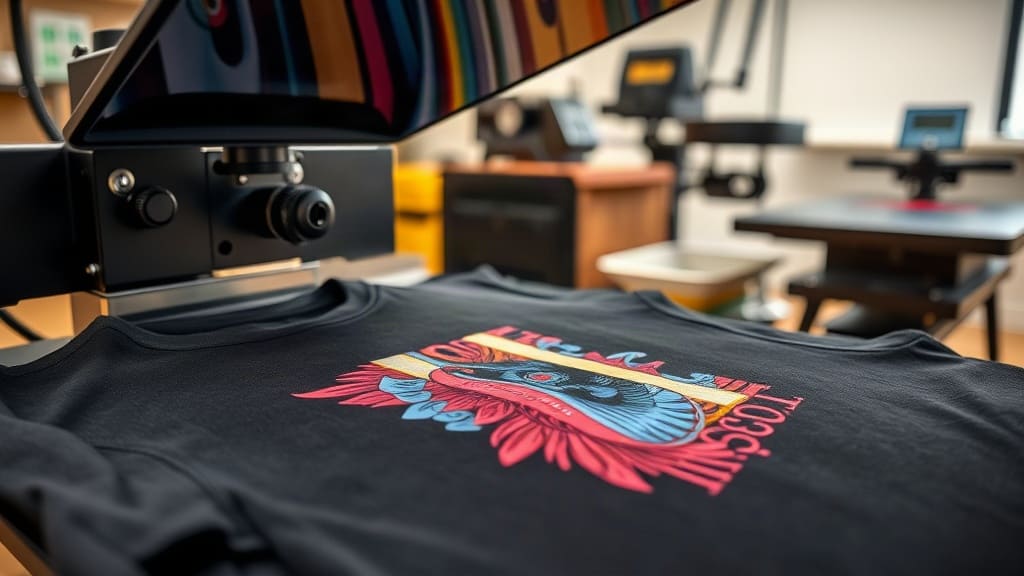
DTF transfers have revolutionized the custom apparel industry, offering a versatile and efficient way to create vibrant, durable designs on various fabrics. Whether you're a small business owner, a hobbyist, or a large-scale manufacturer, understanding this technology can elevate your production and satisfy your customers. In this comprehensive guide, we'll delve into what DTF transfers are, how they work, their numerous benefits, and the step-by-step process to achieve flawless results. By the end, you'll have the knowledge to make informed decisions and produce stunning custom garments.
What Are DTF Transfers?
DTF, which stands for Direct to Film, is a printing method where designs are printed onto a special PET film, coated with adhesive powder, and then transferred onto fabric using heat and pressure. Unlike traditional screen printing or heat transfer vinyl, DTF transfers offer a unique combination of flexibility, color vibrancy, and ease of use. The process begins with printing a mirrored design onto the film, applying adhesive powder, and curing it. Later, the film is placed on the garment and pressed with a heat press, leaving a soft, durable print.
How Does DTF Transfer Work?
The magic behind DTF transfers lies in the synergy of ink, film, and adhesive. Here's a breakdown of the process:
- Printing: A specialized DTF printer prints the design in reverse onto a clear or white PET film using water-based or eco-solvent inks. White ink is printed as a base to ensure colors pop on dark fabrics.
- Powder Application: While the ink is still wet, a hot-melt adhesive powder is applied to the printed film. This powder sticks to the ink and later melts during the heat press, bonding the design to the fabric.
- Curing: The film is then passed through a dryer or heat tunnel to slightly melt the powder, securing it to the film and making it easier to handle.
- Pressing: The film is placed on the garment with the printed side down, and a heat press applies pressure and temperature (typically 320°F to 340°F) for about 10-15 seconds.
- Peeling: After pressing, the film is peeled away, leaving the design adhered to the fabric. The result is a soft, stretchable, and vibrant print.
Benefits of DTF Transfers
Why have DTF transfers become so popular? Let's explore the key advantages over other methods:
- Versatility: DTF transfers can be applied to a wide range of fabrics, including cotton, polyester, blends, denim, and even leather. This opens up more options for various products like t-shirts, hoodies, tote bags, and more.
- Soft Hand Feel: Unlike heavy vinyl prints, DTF prints have a soft texture because the adhesive layer is thin and flexible. The design doesn't crack or fade easily, ensuring comfort and durability.
- High Color Vibrancy: The white ink base ensures that colors remain vivid, even on dark garments. The prints have excellent opacity and sharpness, making them ideal for detailed graphics and photographs.
- No Weeding: Unlike vinyl, there's no need to weed out excess material. DTF transfers are print-ready, saving significant time and labor.
- Cost-Effective for Small Runs: DTF printing is economical for small to medium quantities because it doesn't require screens or expensive setup. You can print on demand, reducing waste and inventory.
- Stretchability: The design stretches with the fabric without cracking, making it perfect for activewear and fitted garments.
DTF Transfers vs. Other Methods
To truly appreciate DTF transfers, it's helpful to compare them with popular alternatives like screen printing and vinyl heat transfer.
DTF vs. Screen Printing
Screen printing is a traditional method that involves creating a stencil (screen) for each color and pushing ink through it onto the fabric. While it is cost-effective for large batch orders, it has limitations:
- Setup Cost: Screens and setup are expensive, making it impractical for small quantities.
- Color Limitations: Each color requires a separate screen, so multi-color designs increase cost and complexity.
- Fabric Limitations: It works best on flat surfaces and struggles with dark or textured fabrics without underbasing.
DTF transfers offer a more flexible and budget-friendly solution, especially for custom orders with multiple designs and small runs.
DTF vs. Vinyl Heat Transfer
Vinyl heat transfer involves cutting designs from adhesive vinyl, weeding out the excess, and pressing them onto garments. While vinyl is popular for simple designs and sports apparel, it has downsides:
- Weeding Time: Weeding intricate designs is time-consuming and requires skill.
- Limited Color and Detail: Each color is a separate layer, and fine details are hard to achieve.
- Stiffness: Vinyl prints can be stiff and prone to cracking when stretched.
DTF transfers eliminate these issues by providing full-color prints with softness and flexibility, making them superior for complex designs.
Step-by-Step Guide to Applying DTF Transfers
Now, let's dive into the actual application process. Whether you're using a home heat press or an industrial one, the steps are similar. Here's how to achieve perfect results every time:
What You'll Need
- A heat press (clamshell or swing-away)
- DTF transfer film (pre-printed and powdered)
- Teflon sheet or parchment paper (to protect the press and film)
- Heat-resistant tape (optional, for securing the film)
Procedure
- Preheat the Press: Set your heat press to the recommended temperature, usually around 320°F to 340°F (160°C to 170°C). Wait for it to reach the set temperature.
- Pre-press the Garment: Place the garment on the heat press and pre-press it for 2-3 seconds to remove moisture and wrinkles. This ensures a smooth surface and better adhesion.
- Position the Transfer: Lay the DTF transfer film onto the garment with the printed side facing down (the film's white side should be up). Make sure the design is centered and properly aligned.
- Secure the Film: Use heat-resistant tape to hold the film in place, preventing any shifting during the press.
- Press: Cover the film with a Teflon sheet or parchment paper to avoid direct contact with the heating plate. Press down with medium to firm pressure for 10-15 seconds. The exact time and pressure may vary based on your press and garment type, so always test first.
- Peel: After pressing, carefully peel the film while it's still hot or slightly warm. Hot peeling is recommended for most DTF films, as it leaves a more vibrant finish. If you prefer a matte look, you can wait for it to cool and then cold peel, but hot peel is generally easier.
- Final Press (Optional): For extra durability, you can press the garment again for a few seconds after peeling, using a Teflon sheet. This helps to further bond the adhesive.
Tips for Perfect DTF Transfers
To ensure your DTF transfers come out flawless, consider these pro tips:
- Test First: Always do a test run on a scrap fabric before pressing the final garment. This allows you to adjust temperature, time, and pressure to find the perfect settings for your specific heat press and film.
- Use High-Quality Film and Inks: Cheap materials can lead to cracking, fading, or poor adhesion. Invest in reputable brands to ensure durability.
- Store Film Properly: Keep unused transfers in a cool, dry place away from direct sunlight, as moisture and heat can affect the adhesive.
- Press on a Flat Surface: Ensure the heat press has even pressure. If your press has uneven temperature, you might get inconsistent results.
- Peel at the Right Time: Hot peeling usually gives a glossy finish, while cold peeling (after cooling) gives a matte finish. Experiment to see what you prefer for your designs.
Common Mistakes and How to Avoid Them
Even experienced printers can encounter issues. Here are some common pitfalls and solutions:
Poor Adhesion
If your design peels off easily or has areas that don't stick, it's likely due to low temperature or pressure, or not enough pressing time. Ensure your press is calibrated and you're following the film manufacturer's recommendations.
Cracking or Fading
This often happens when the ink isn't fully cured or the adhesive isn't properly melted. Make sure you're pressing at the right temperature and for the correct duration. Also, avoid over-washing the garment in hot water, as that can degrade the print.
White Ink Showing on Dark Fabrics
If you're pressing on dark garments, the white base is essential. If it's not opaque enough, you may need to increase the white ink amount in your printer settings or use a film with better white ink adhesion.
Frequently Asked Questions
Can DTF transfers be reused?
No, each DTF transfer is designed for a single use. Once you press it onto a garment and peel it off, the adhesive is consumed and the film is no longer usable. Attempting to reuse it would result in poor quality and durability.
How many washes can DTF transfers withstand?
With proper application and care, DTF prints can last for 40 or more washes. To maximize longevity, wash garments inside out in cold water and tumble dry on low. Avoid bleach and fabric softeners, as they can degrade the adhesive and colors.
Are DTF transfers suitable for all fabric types?
DTF transfers work well on most fabrics, including 100% cotton, polyester, and blends. However, they may not adhere well to very stretchy fabrics like spandex unless you use a specialized stretchable film. Always test on a small piece of fabric first to ensure compatibility.
Can DTF transfers be applied with a home iron?
While it's possible, using a heat press is highly recommended because it provides even pressure and consistent temperature. A home iron may not reach the required temperature or maintain it evenly, leading to poor adhesion. If you must use an iron, use the highest setting and press firmly for at least 30 seconds, but results may vary.
What is the difference between DTF and DTG printing?
DTG (Direct to Garment) printing involves printing directly onto the fabric using an inkjet printer. DTF, on the other hand, prints onto a film and then transfers the design. DTF offers more flexibility in terms of fabric types and allows you to print on demand without needing a flat garment surface. DTG is ideal for large orders on cotton, but it struggles with dark fabrics and requires pre-treatment.
Conclusion
DTF transfers are a game-changer for anyone in the custom apparel business. They offer unmatched versatility, vibrant colors, and durability, all while being cost-effective and easy to use. Whether you're creating personalized gifts or producing large-scale merchandise, mastering DTF technology will set you apart from the competition. Start with quality materials, practice your technique, and soon you'll be producing professional-grade prints that customers will love. So why wait? Dive into the world of DTF transfers and unlock your creative potential today.