
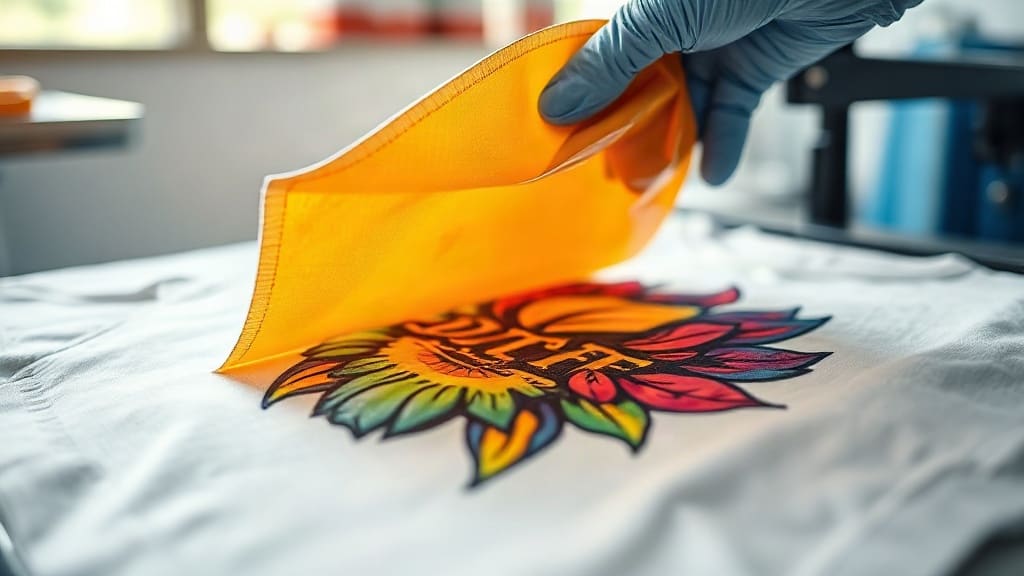
DTF transfers have taken the custom apparel world by storm, and for good reason. If you've ever struggled with screen printing limitations or sublimation's fabric restrictions, you know the search for a versatile, vivid, and durable printing method is real. With DTF (Direct to Film), you can print onto a wide range of fabrics, from cotton to polyester blends, and achieve stunning detail and color. But what exactly makes these transfers stand out? And how can you ensure your prints stay vibrant and wash after wash? Let's dive into the world of DTF and uncover the secrets to professional-grade results.
What Are DTF Transfers and Why Are They So Popular?
DTF printing involves printing your design onto a special PET film using a DTF printer, then applying adhesive powder to the wet ink, and finally transferring the image onto fabric with a heat press. The process is relatively straightforward, but the outcomes are impressive: bright colors, soft hand feel, and excellent durability. Unlike traditional heat transfer vinyl (HTV), DTF allows for intricate, full-color designs without weeding. And unlike sublimation, DTF works on dark and light garments, as well as blends.
The Magic Behind Vivid Colors
One of the biggest draws of DTF is its color vibrancy. This comes from the combination of high-quality CMYK inks (often with white ink as a base) and the adhesive powder that helps the ink bond with fabric fibers. The white ink layer is crucial for printing on dark colors; it creates an opaque base that makes the colored inks pop. When done right, your prints will look like they were factory-made, with a soft, rubbery feel that doesn't crack easily.
Durability That Withstands Real Life
Durability is non-negotiable, especially if you're selling custom apparel. DTF transfers are known for their stretchability and resistance to washing. The adhesive powder melts during the heat press, locking the ink into the fabric. This creates a strong bond that can handle repeated washes without fading or peeling. But there's a catch: the quality depends on the materials you use and your process. Cheap films, inks, or powders can lead to disappointing results.
Getting Started with DTF Transfers: Key Supplies
Before you start printing, you need the right equipment and supplies. Here's what you'll need:
- DTF Printer: You can use a modified Epson or a dedicated DTF printer. Look for one with a reliable ink system and a paper feeder that handles film.
- DTF Film: PET film is available in rolls or sheets. Choose one with a good coating that releases the ink cleanly.
- DTF Inks: Usually water-based pigment inks, including CMYK, white, and sometimes light colors. Invest in quality inks for better color.
- Adhesive Powder: Hot-melt powder that activates under heat. It comes in different mesh sizes; finer powder gives a softer hand.
- Heat Press: A clamshell or swing-away press with precise temperature control is essential.
- Curing Oven or Heat Gun: To melt the powder after printing (if your printer doesn't have an integrated dryer).
Once you have these, you're ready to produce your own dtf transfers. But remember, quality matters. Using subpar materials can lead to cracking, peeling, or dull prints.
Step-by-Step Process for Flawless Transfers
Here's a step-by-step guide to ensure your transfers look professional:
- Print Your Design: Use a RIP software to manage colors and print with high resolution. Ensure you print a white layer under your design, especially for dark garments.
- Apply Adhesive Powder: While the ink is still wet, cover the film with adhesive powder. Shake off the excess, then cure it with heat (usually around 160°C for a few seconds) to melt and set the powder.
- Cut the Transfer: Trim close to your design, but leave a small border if needed. You can also use a cutter for intricate shapes.
- Pre-Press Your Garment: This removes moisture and wrinkles, ensuring better adhesion.
- Press the Transfer: Place the film with the design facing down on the garment. Apply firm pressure with your heat press at about 160-180°C for 20-30 seconds. Use a silicone sheet or parchment paper to protect the film.
- Peel Warm or Cold: Depending on the film and powder, you can peel the film off immediately (warm) or wait until it cools (cold). Test to see which gives better results.
Pro Tips for Vibrant and Long-Lasting Prints
- Always use a high-quality DTF film and powder from reputable suppliers. Cheap alternatives can compromise your print.
- Calibrate your printer regularly to ensure color accuracy.
- Adjust your heat press settings based on the fabric and transfer brand. Not all materials are the same.
- After pressing, let the garment cool completely before handling or stacking to prevent cracking.
Common Mistakes to Avoid
Even experienced printers can run into issues. Here are some pitfalls to watch out for:
- Not Shaking the Powder Well: If you don't shake off enough, you'll get a rough, thick texture. If you shake too little, the powder won't cover fully, leading to poor adhesion.
- Using Incorrect Pressing Temperature: Too low, and the adhesive won't activate; too high, and the film may melt or the fabric scorch.
- Peeling Too Early: Some films require a cool peel to avoid lifting the design. Always test.
- Ignoring Humidity: Films and powders can absorb moisture, affecting print quality. Store them in a dry place.
Caring for DTF Transfers: What Your Customers Should Know
To ensure your transfers last, educate your customers on proper care. Wash garments inside out in cold water, avoid fabric softeners, and tumble dry on low. This will preserve the print's vibrancy and prevent premature wear.
Why DTF Transfers Are a Smart Choice for Your Business
If you're a printer, DTF offers incredible versatility. You can print on demand, no minimum quantities, and diversify your product range. For small businesses, this means less upfront inventory and the ability to offer custom designs without hassle. Plus, the durability of DTF ensures customer satisfaction, leading to repeat orders.
Frequently Asked Questions
Can I use DTF transfers on any fabric?
Yes, DTF transfers work well on cotton, polyester, cotton-poly blends, and even nylon with proper handling. However, for very stretchy or performance fabrics, you may need to adjust your pressing temperature and time to ensure the adhesive bonds correctly.
How long do DTF transfers last?
With proper pressing and care, DTF transfers can last for many washes without fading or cracking. In fact, they often outlast traditional screen printing on similar garments. The key is to use high-quality materials and follow the correct curing steps.
Do I need a special printer for DTF transfers?
Yes, you need a printer that's compatible with DTF inks and films. Many people convert Epson EcoTank printers, but it's safer to purchase a dedicated DTF printer from a reputable brand. These come with the right printheads and ink systems for optimal results.
Can I make DTF transfers at home?
Absolutely, you can produce DTF transfers at home with the right equipment. The initial investment can be a bit high, but if you plan to make custom shirts regularly, it pays off quickly. Follow tutorials and practice to refine your technique.
Final Thoughts
DTF transfers offer a world of possibilities for custom apparel. By understanding the process, investing in quality supplies, and perfecting your technique, you can create prints that are vibrant, durable, and sure to impress. Whether you're a hobbyist or a business owner, DTF is a game-changer. So, what are you waiting for? Start experimenting and unlock the full potential of your creativity.