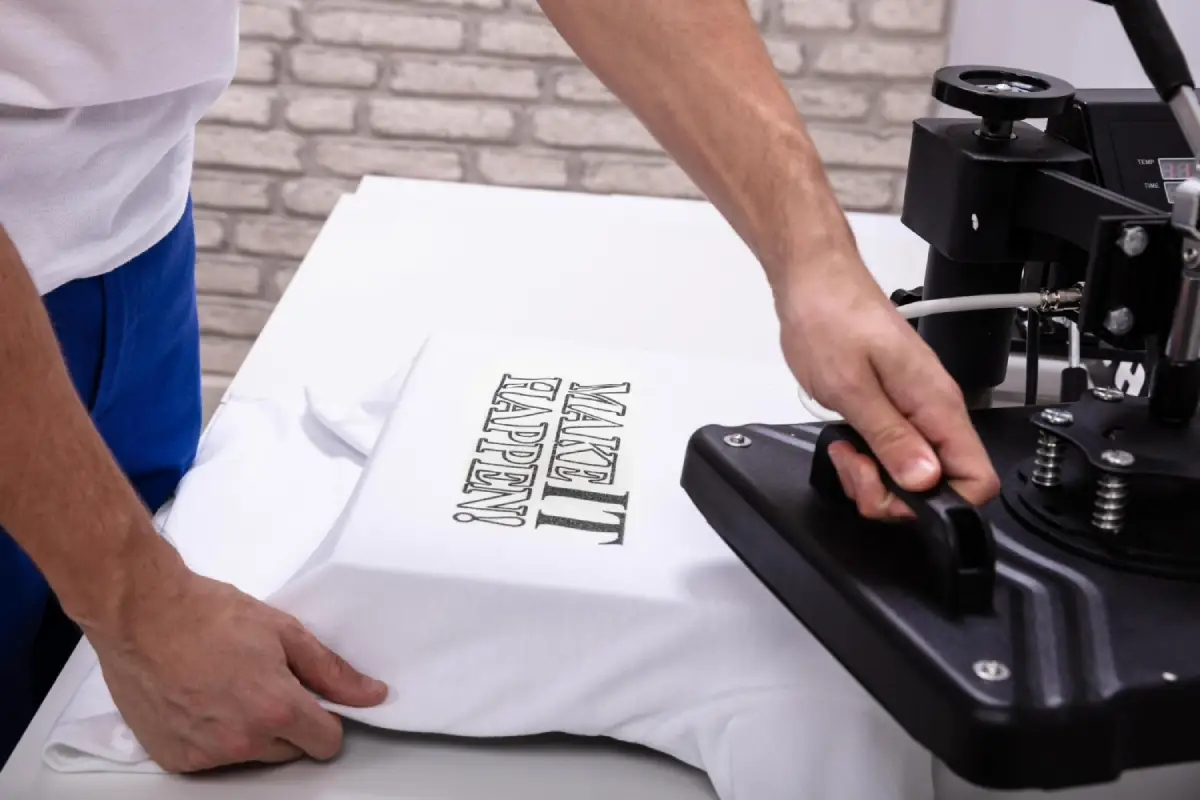
In the highly competitive world of custom garment decoration, achieving professional results often feels like a constant battle between speed and precision. Many entrepreneurs looking to scale their apparel businesses are finding that
dtf technology is the ultimate equalizer, allowing them to produce high-end, detailed designs that were previously impossible to achieve with traditional screen printing or vinyl cutting. By removing the barriers of setup costs and complex weeding processes, this method has become the backbone of modern on-demand textile businesses, providing a reliable way to turn creative concepts into retail-ready products.
When you start integrating
dtf transfers into your production line, you are essentially adopting a digital workflow that prioritizes consistency. Unlike manual printing techniques that depend on the skill of the operator for every individual piece, these professionally cured transfers provide a standardized, high-quality result every single time you press them. For businesses focusing on growth, this repeatability is vital. It means that your first customer of the day and your last customer receive the exact same level of color vibrancy and soft-hand feel, which is the cornerstone of building long-term brand loyalty.
Optimizing Your Production for Peak Performance
Quality control is the invisible engine that drives success in the apparel decoration industry. If you have been searching for
dtf transfers near me, you are likely looking for a partner who understands the importance of the curing stage. The magic happens during the adhesive powder application and the subsequent curing process. If the temperature is off by even a few degrees, or if the powder isn't bonded correctly to the ink, your final design will likely fail to stand up to the wear and tear of daily use and machine washing.
To keep your brand ahead of the competition, document your heat press settings rigorously. Create a master log that records the exact dwell time, temperature, and pressure required for different fabrics. For instance, synthetic performance blends often require lower heat settings to avoid scorching, while heavy-duty cotton hoodies might need a slightly longer press to ensure the adhesive melts deep into the fibers. Harwin recommends treating every production run as an opportunity to refine your data, ensuring that your output remains flawless regardless of the material you are decorating.
Scalability Through Smart Supply Chain Choices
A common pitfall for emerging apparel brands is over-investing in inventory. Traditional printing often requires ordering hundreds of pieces to reach a break-even point. However, by utilizing
dtf production, you can operate on a true print-on-demand basis. This allows you to list hundreds of designs in your online shop without tying up your working capital in a warehouse filled with pre-printed shirts that may never sell.
Finding a reliable printing partner or investing in your own modular equipment allows your brand to pivot instantly when design trends change. Whether you are fulfilling small, custom-tailored orders or high-volume corporate requests, the versatility of these transfers remains constant. At Harwin, we advocate for this lean approach because it protects your bottom line while keeping your creative options wide open. It is about working smarter, not harder, and ensuring that every resource you spend is focused on growth rather than inventory management.
Maintaining Long-Term Print Integrity
If you want your customers to keep coming back, your prints must endure. Professional-grade
dtf transfers are known for their exceptional elasticity and washability, but this durability is heavily dependent on how you finish the application. Always allow your garments to cool completely before peeling the film, as this is when the adhesive finally sets into the fabric weave. Rushing this step is a frequent error that leads to premature cracking or peeling.
Furthermore, we suggest conducting internal stress tests. Once a week, take a random sample from your production run and put it through a rigorous cycle of hot water washing and high-heat drying. This habit transforms your shop from a DIY operation into a professional facility. By setting your own high standards, you ensure that the reputation of your business is never compromised by the quality of your finished garments.
Frequently Asked Questions
Why does this printing method offer better detail than older techniques?
Unlike vinyl that must be cut and weeded,
dtf is a digital process that prints directly onto a film. This allows for incredibly fine details, small text, and complex gradients that simply cannot be replicated by cutting through solid sheets of heat transfer vinyl.
How do I identify a high-quality transfer supplier?
When searching for
dtf transfers near me, look for shops that prioritize industrial-grade curing and provide technical data sheets. A professional supplier will gladly send you samples; perform a stretch test to ensure the ink doesn't crack and a wash test to verify the adhesive strength.
Is this process suitable for small, one-off custom orders?
Absolutely. The biggest advantage of using
dtf transfers is that there are no setup fees or minimum order quantities. Whether you are printing one custom gift or a small batch of event apparel, the cost per unit remains affordable and the quality remains professional.
What common mistakes cause the print to feel stiff or rubbery?
A stiff or "plastic" feel is usually the result of using too much adhesive powder or failing to cure the film correctly. Ensuring the powder is applied only to the ink and using a high-quality, fine-mesh adhesive will result in a soft-hand finish that feels comfortable to wear.
In the evolving landscape of textile design, the winners are those who embrace precision, data, and consistent quality. Harwin remains committed to supporting your journey by providing the industry insights and best practices needed to turn your creative vision into a scalable, high-profit apparel business. Start implementing these technical refinements today, and experience how a focus on quality can significantly elevate your brand's presence in the market.