
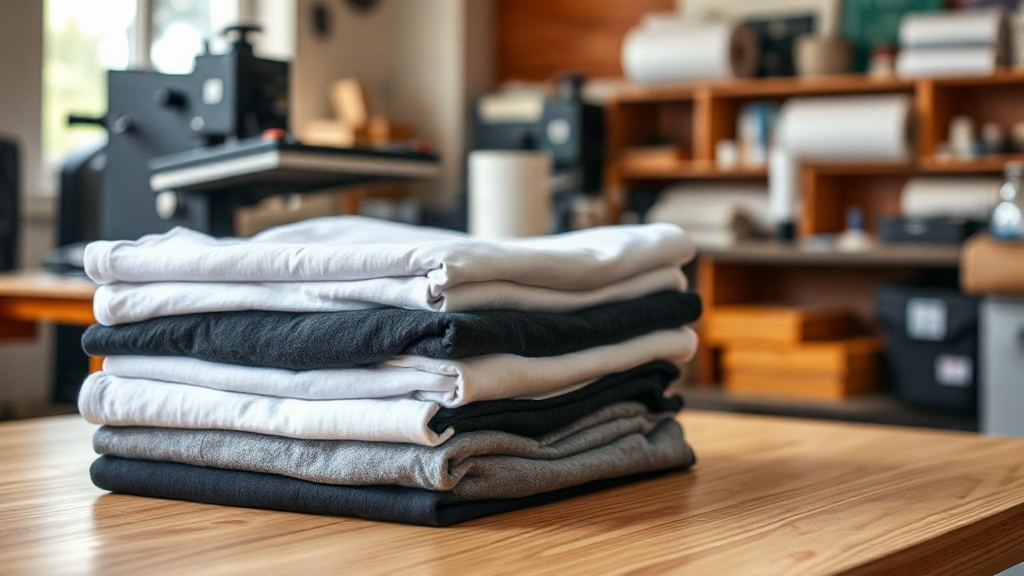
When you're running a DTF printing business, the blank you choose can make or break your final product. You need a shirt that takes ink beautifully, feels great on the customer, and holds up wash after wash. That's why so many printers reach for shaka wear blanks. These tees have built a quiet reputation in the industry for being dependable, affordable, and incredibly print-friendly. In this article, I'll share why Shaka Wear has become a staple in my own shop and how you can get the most out of these blanks for your DTF projects.
Why Shaka Wear Stands Out in the DTF World
DTF printing demands a blank that can handle heat, pressure, and a layer of adhesive powder without warping or scorching. Shaka Wear tees are made from 100% cotton (in most styles) with a tight knit that provides a smooth surface for the transfer. Unlike some budget blanks that pill or shrink unpredictably, Shaka Wear maintains its shape and softness even after multiple presses. I've tested dozens of brands, and these consistently deliver crisp, vibrant prints with minimal effort.
Another factor is consistency. When you order a batch of Shaka Wear shirts, you know each one will have the same measurements, color, and fabric weight. That reliability means fewer ruined transfers and happier customers. For a small business, that predictability is priceless.
Top Shaka Wear Styles for DTF Printing
Shaka Wear offers several styles, but not all are equally suited for DTF. Here are the ones I recommend most often, based on my hands-on experience.
Shaka Wear Max Heavyweight Tee
This is the workhorse. At 7.5 oz, it's a thick, durable tee that feels substantial. The heavyweight cotton takes DTF transfers exceptionally well because it doesn't shift under the heat press. The tight weave prevents the ink from bleeding, so fine details and gradients come out sharp. If you're printing streetwear or workwear designs, this is your best bet.
Shaka Wear Crew Neck Tee
A lighter option at around 5.5 oz, the Crew Neck is perfect for everyday wear. It's softer out of the box, which some customers prefer. For DTF, I've found that using a slightly lower temperature (around 300°F instead of 325°F) prevents any scorching on this lighter fabric. The results are still vibrant, and the print feels like part of the shirt.
Shaka Wear Tall Tee
Tall tees are having a moment, and Shaka Wear's version is a favorite for DTF because of its extended length. It gives you more canvas for large back prints or long vertical designs. The fabric is the same quality as the standard crew, so you can expect the same great printability.
How to Achieve Flawless DTF Prints on Shaka Wear
Even the best blank can produce mediocre results if you don't follow proper technique. Here's my step-by-step process for printing on Shaka Wear tees, refined over hundreds of presses.
1. Pre-Press to Remove Moisture
Cotton absorbs moisture from the air, and that moisture can turn to steam during pressing, causing the transfer to lift or bubble. Always pre-press your Shaka Wear shirt for 5-7 seconds at 325°F. This also smooths out any wrinkles. I keep a small stack of shirts next to my press and pre-press each one just before applying the transfer.
2. Use Medium Pressure
DTF transfers need enough pressure to embed the adhesive into the fabric, but too much can flatten the shirt's texture and cause the print to look glossy. I set my press to medium pressure (around 4-5 on a 1-10 scale). If you're using a heat press with a digital gauge, aim for 40-50 PSI. Test on a scrap shirt first to dial it in.
3. Peel While Hot or Cold?
Most DTF transfers today are cold-peel, meaning you wait for the transfer to cool completely before peeling the film. However, some films are hot-peel. Always check the instructions from your transfer supplier. For Shaka Wear, I've found that cold-peel gives the cleanest edges because the adhesive sets fully as it cools. If you peel too early, you risk pulling up the design.
4. Post-Press for Durability
After peeling, I always do a quick post-press for 5-10 seconds with a Teflon sheet or parchment paper on top. This melts any remaining adhesive powder and ensures the print won't crack or peel in the wash. It's a small extra step that makes a big difference in longevity.
Common Pitfalls and How to Avoid Them
Even with great blanks, mistakes happen. Here are the most common issues I see when printing on Shaka Wear, and how to fix them.
- Scorching: If the shirt turns yellow or brown, your press is too hot. Lower the temperature by 10-15°F and shorten the press time.
- Transfer lifting: This usually means insufficient pressure or moisture in the fabric. Pre-press longer and increase pressure slightly.
- Faded prints: If colors look dull after washing, you might not have post-pressed long enough. Try 10 seconds at 325°F.
- Shirt shrinking: Shaka Wear is pre-shrunk, but some shrinkage can still occur. Always wash and dry according to the care label, and inform your customers to do the same.
Why Customers Love Shaka Wear
Beyond printability, Shaka Wear has a loyal following because of its fit and feel. The tees have a modern, slightly relaxed cut that appeals to a wide range of body types. The cotton is soft but substantial, and the colors hold up well over time. When you hand a customer a shirt printed on Shaka Wear, they can feel the quality. That translates to repeat business and referrals, which are the lifeblood of any print shop.
I've also noticed that Shaka Wear tees are less prone to the "cheap blank" look. The collars don't stretch out, the hems stay flat, and the fabric doesn't develop those little fuzz balls after a few washes. For a DTF printer, that means your artwork stays looking sharp, which reflects well on your brand.
Frequently Asked Questions About Shaka Wear and DTF Printing
Can I use DTF transfers on Shaka Wear's 50/50 blends?
Yes, but with caution. Shaka Wear does offer some 50/50 cotton-poly blends. DTF works on poly, but you need to lower the press temperature to around 280-300°F to avoid dye migration. Also, use a transfer film designed for low-temperature application. If you're new to DTF, stick with 100% cotton Shaka Wear styles for the easiest results.
What's the best heat press setting for Shaka Wear heavyweight tees?
For the Max Heavyweight, I recommend 325°F for 15 seconds with medium pressure. Pre-press for 7 seconds, then press the transfer for 15 seconds. Cold peel, then post-press for 5 seconds. This setting gives me consistent, vibrant prints without scorching.
Do Shaka Wear shirts shrink after washing?
Shaka Wear tees are pre-shrunk, so shrinkage is minimal. However, if you wash in hot water and dry on high heat, you might see about 3-5% shrinkage. To be safe, wash cold and tumble dry low. Always check the care tag for specific instructions.
Where can I buy Shaka Wear blanks for my DTF business?
Shaka Wear is available through several wholesale distributors and online retailers. For the best prices, look for bulk deals from authorized distributors. I recommend ordering a sample first to test printability with your specific DTF setup before committing to a large order.
Is Shaka Wear good for printing large designs?
Absolutely. The tight knit and smooth surface of Shaka Wear tees make them ideal for large front or back prints. Just make sure your transfer is properly sized and your press is level. For oversized prints, I sometimes use a pressing pillow to ensure even pressure across the entire design.
Choosing the right blank is half the battle in DTF printing. Shaka Wear offers a combination of quality, consistency, and printability that's hard to beat. Whether you're printing a few shirts for a local band or fulfilling a large order for a corporate client, these blanks will help you deliver professional results that keep customers coming back. Give them a try on your next project, and you'll see why they've earned a permanent spot in my shop.